mirror of
https://github.com/block/buzz.git
synced 2026-11-11 20:01:09 +00:00
 f9ef721e68
## Summary
This fixes transparent images showing a black background. Image
thumbnails were always JPEG, which can't store transparency, so a
transparent PNG or GIF upload, such as an agent avatar, rendered on
black wherever a client showed its thumbnail.
The relay now writes a lossy WebP thumbnail at `{sha256}.thumb.webp`,
which keeps transparency, alongside the existing `{sha256}.thumb.jpg`:
- **Encoding:** the WebP comes from libwebp through the `webp` crate,
built from vendored C source, so the relay needs no system library. A
GIF uses its first frame.
- **Upload responses:** the upload descriptor's `thumb`, and its
per-tenant rewrite, point to the WebP.
- **JPEG kept:** installed clients derive `.thumb.jpg` themselves, so
the relay keeps writing it until clients move to WebP with a JPEG
fallback. Existing images still have only their JPEG thumbnail.
- **Serving:** `/media/` serves both variants, each with its own content
type. Other `.thumb.*` extensions still return 404.
- **imeta:** a `thumb` may name either variant, and the relay checks
that the named object exists.
- **Storage sweep:** the bucket taxonomy counts both variants as the
image's thumbnail bytes instead of classifying `.thumb.webp` as unknown.
| 320px thumbnail | JPEG | PNG | lossy WebP (q80) |
|---|---|---|---|
| Transparent avatar (starter-team `fizz.png`) | 11.3 KB, black
background | 65.1 KB | 13.8 KB |
| Opaque avatar (`sprout-agent.png`) | 23.6 KB | 156.5 KB | 12.3 KB |
| Screenshot (`channel-thread.png`) | 13.4 KB | 62.5 KB | 6.4 KB |
Encoding a WebP thumbnail takes 3 to 20 ms.
### Related issue
Supersedes #8772, which served a PNG at the `.thumb.jpg` path.
### Testing
Red/green against a local relay on `:3000`, built from the branch under
test, with Postgres, Redis and MinIO from `docker compose`:
```bash
cargo test -p buzz-test-client --test e2e_media test_transparent_png_thumbnail_is_webp_with_alpha -- --ignored
cargo test -p buzz-test-client --test e2e_media_extended test_ws_imeta_webp_thumb -- --ignored
```
- **On `main`:** both tests fail. The descriptor's `thumb` is
`.thumb.jpg`, and the WebSocket send is rejected with `invalid: imeta
thumb must be a local .thumb.jpg path`.
- **On this branch:** both tests pass:
- Uploading a half-transparent PNG returns a `thumb` ending
`.thumb.webp`.
- HEAD and GET on that URL return `Content-Type: image/webp`.
- The decoded thumbnail keeps alpha 0 on the transparent half and alpha
255 on the opaque half.
- `.thumb.jpg` still returns `image/jpeg`.
- A kind 9 message whose imeta `thumb` names the `.thumb.webp` is
accepted.
## Screenshots
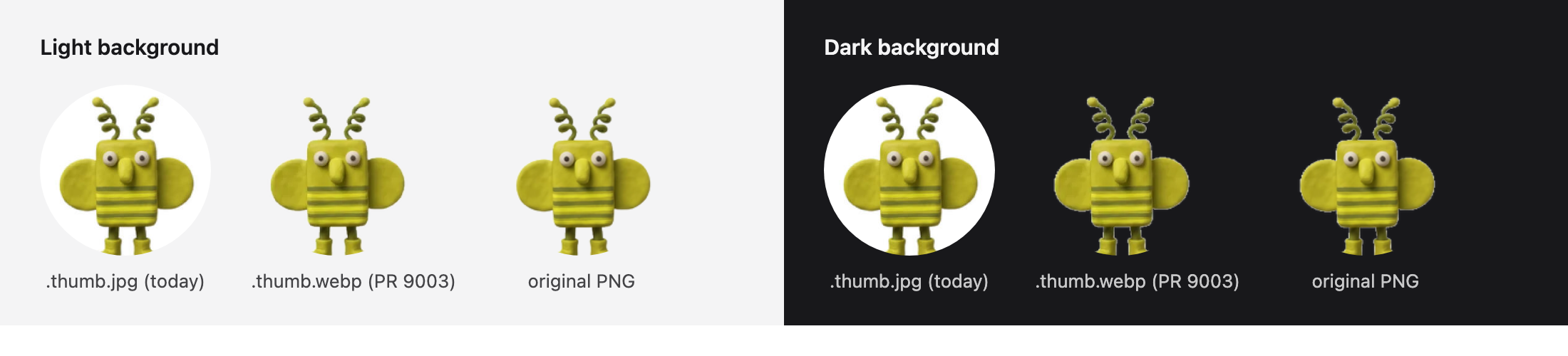
The starter-team `fizz.png` avatar uploaded to a relay built from this
branch. Both thumbnails are shown as round avatars beside the original
PNG. `.thumb.jpg` fills the transparent area with a solid disc, and
`.thumb.webp` keeps the transparency.
🤖 Generated with [Claude Code](https://claude.com/claude-code)
---------
Signed-off-by: John Matthew Tennant <jtennant@squareup.com>
Co-authored-by: Simone <0828be588d5c9c4d092c5b1cf01761d5aef63d6b104807fd8e8284d517dd1a99@buzz.block.builderlab.xyz>
Co-authored-by: Claude Opus 5.5 <noreply@anthropic.com>

564 lines
20 KiB
Rust
564 lines
20 KiB
Rust
//! End-to-end media upload tests (Blossom / NIP-96 style).
|
||
//!
|
||
//! Requires: relay running at localhost:3000, MinIO running at localhost:9000.
|
||
//! All tests are `#[ignore]` so they don't run in CI by default.
|
||
//!
|
||
//! # Running
|
||
//!
|
||
//! ```text
|
||
//! cargo test -p buzz-test-client --test e2e_media -- --ignored --nocapture
|
||
//! ```
|
||
//!
|
||
//! Override the relay URL:
|
||
//!
|
||
//! ```text
|
||
//! RELAY_HTTP_URL=http://localhost:3000 cargo test -p buzz-test-client --test e2e_media -- --ignored
|
||
//! ```
|
||
|
||
use std::time::Duration;
|
||
|
||
use base64::{engine::general_purpose::URL_SAFE_NO_PAD, Engine as _};
|
||
use nostr::{EventBuilder, JsonUtil, Keys, Kind, Tag, Timestamp};
|
||
use reqwest::Client;
|
||
use sha2::{Digest, Sha256};
|
||
|
||
fn relay_http_url() -> String {
|
||
std::env::var("RELAY_HTTP_URL").unwrap_or_else(|_| "http://localhost:3000".to_string())
|
||
}
|
||
|
||
/// Extract the host:port authority from the relay URL for use as the `server` tag.
|
||
fn relay_server_authority() -> String {
|
||
let url = relay_http_url();
|
||
url.trim_start_matches("https://")
|
||
.trim_start_matches("http://")
|
||
.split('/')
|
||
.next()
|
||
.unwrap_or("localhost:3000")
|
||
.to_string()
|
||
}
|
||
|
||
fn http_client() -> Client {
|
||
Client::builder()
|
||
.timeout(Duration::from_secs(15))
|
||
.build()
|
||
.expect("failed to build HTTP client")
|
||
}
|
||
|
||
/// Sign a kind:24242 Blossom upload auth event for the given sha256.
|
||
fn sign_blossom_auth(keys: &Keys, sha256: &str) -> nostr::Event {
|
||
let now = Timestamp::now().as_secs();
|
||
let exp_str = (now + 55).to_string();
|
||
let server = relay_server_authority();
|
||
let tags = vec![
|
||
Tag::parse(["t", "upload"]).expect("t tag"),
|
||
Tag::parse(["x", sha256]).expect("x tag"),
|
||
Tag::parse(["expiration", &exp_str]).expect("expiration tag"),
|
||
Tag::parse(["server", &server]).expect("server tag"),
|
||
];
|
||
EventBuilder::new(Kind::from(24242), "Upload test")
|
||
.tags(tags)
|
||
.sign_with_keys(keys)
|
||
.expect("sign blossom auth")
|
||
}
|
||
|
||
/// Sign a kind:24242 Blossom *read* auth event for the given sha256.
|
||
///
|
||
/// Reads are authenticated unconditionally, so every successful GET/HEAD in this
|
||
/// file has to present one of these. The `x` tag is hash-scoped and covers the
|
||
/// derived paths too -- the relay matches on the sha256 before the extension, so
|
||
/// one token serves `{sha}.jpg` and `{sha}.thumb.jpg` alike.
|
||
fn sign_blossom_get_auth(keys: &Keys, sha256: &str) -> nostr::Event {
|
||
let now = Timestamp::now().as_secs();
|
||
let exp_str = (now + 55).to_string();
|
||
let server = relay_server_authority();
|
||
let tags = vec![
|
||
Tag::parse(["t", "get"]).expect("t tag"),
|
||
Tag::parse(["x", sha256]).expect("x tag"),
|
||
Tag::parse(["expiration", &exp_str]).expect("expiration tag"),
|
||
Tag::parse(["server", &server]).expect("server tag"),
|
||
];
|
||
EventBuilder::new(Kind::from(24242), "Get test")
|
||
.tags(tags)
|
||
.sign_with_keys(keys)
|
||
.expect("sign blossom get auth")
|
||
}
|
||
|
||
/// Build `Authorization: Nostr <base64url(json)>` header value.
|
||
fn blossom_auth_header(event: &nostr::Event) -> String {
|
||
format!(
|
||
"Nostr {}",
|
||
URL_SAFE_NO_PAD.encode(event.as_json().as_bytes())
|
||
)
|
||
}
|
||
|
||
/// A valid 1×1 red JPEG (339 bytes). Used for fast upload tests.
|
||
fn tiny_jpeg() -> Vec<u8> {
|
||
vec![
|
||
0xFF, 0xD8, 0xFF, 0xE0, 0x00, 0x10, 0x4A, 0x46, 0x49, 0x46, 0x00, 0x01, 0x01, 0x00, 0x00,
|
||
0x01, 0x00, 0x01, 0x00, 0x00, 0xFF, 0xDB, 0x00, 0x43, 0x00, 0x08, 0x06, 0x06, 0x07, 0x06,
|
||
0x05, 0x08, 0x07, 0x07, 0x07, 0x09, 0x09, 0x08, 0x0A, 0x0C, 0x14, 0x0D, 0x0C, 0x0B, 0x0B,
|
||
0x0C, 0x19, 0x12, 0x13, 0x0F, 0x14, 0x1D, 0x1A, 0x1F, 0x1E, 0x1D, 0x1A, 0x1C, 0x1C, 0x20,
|
||
0x24, 0x2E, 0x27, 0x20, 0x22, 0x2C, 0x23, 0x1C, 0x1C, 0x28, 0x37, 0x29, 0x2C, 0x30, 0x31,
|
||
0x34, 0x34, 0x34, 0x1F, 0x27, 0x39, 0x3D, 0x38, 0x32, 0x3C, 0x2E, 0x33, 0x34, 0x32, 0xFF,
|
||
0xC0, 0x00, 0x0B, 0x08, 0x00, 0x01, 0x00, 0x01, 0x01, 0x01, 0x11, 0x00, 0xFF, 0xC4, 0x00,
|
||
0x1F, 0x00, 0x00, 0x01, 0x05, 0x01, 0x01, 0x01, 0x01, 0x01, 0x01, 0x00, 0x00, 0x00, 0x00,
|
||
0x00, 0x00, 0x00, 0x00, 0x01, 0x02, 0x03, 0x04, 0x05, 0x06, 0x07, 0x08, 0x09, 0x0A, 0x0B,
|
||
0xFF, 0xC4, 0x00, 0xB5, 0x10, 0x00, 0x02, 0x01, 0x03, 0x03, 0x02, 0x04, 0x03, 0x05, 0x05,
|
||
0x04, 0x04, 0x00, 0x00, 0x01, 0x7D, 0x01, 0x02, 0x03, 0x00, 0x04, 0x11, 0x05, 0x12, 0x21,
|
||
0x31, 0x41, 0x06, 0x13, 0x51, 0x61, 0x07, 0x22, 0x71, 0x14, 0x32, 0x81, 0x91, 0xA1, 0x08,
|
||
0x23, 0x42, 0xB1, 0xC1, 0x15, 0x52, 0xD1, 0xF0, 0x24, 0x33, 0x62, 0x72, 0x82, 0x09, 0x0A,
|
||
0x16, 0x17, 0x18, 0x19, 0x1A, 0x25, 0x26, 0x27, 0x28, 0x29, 0x2A, 0x34, 0x35, 0x36, 0x37,
|
||
0x38, 0x39, 0x3A, 0x43, 0x44, 0x45, 0x46, 0x47, 0x48, 0x49, 0x4A, 0x53, 0x54, 0x55, 0x56,
|
||
0x57, 0x58, 0x59, 0x5A, 0x63, 0x64, 0x65, 0x66, 0x67, 0x68, 0x69, 0x6A, 0x73, 0x74, 0x75,
|
||
0x76, 0x77, 0x78, 0x79, 0x7A, 0x83, 0x84, 0x85, 0x86, 0x87, 0x88, 0x89, 0x8A, 0x92, 0x93,
|
||
0x94, 0x95, 0x96, 0x97, 0x98, 0x99, 0x9A, 0xA2, 0xA3, 0xA4, 0xA5, 0xA6, 0xA7, 0xA8, 0xA9,
|
||
0xAA, 0xB2, 0xB3, 0xB4, 0xB5, 0xB6, 0xB7, 0xB8, 0xB9, 0xBA, 0xC2, 0xC3, 0xC4, 0xC5, 0xC6,
|
||
0xC7, 0xC8, 0xC9, 0xCA, 0xD2, 0xD3, 0xD4, 0xD5, 0xD6, 0xD7, 0xD8, 0xD9, 0xDA, 0xE1, 0xE2,
|
||
0xE3, 0xE4, 0xE5, 0xE6, 0xE7, 0xE8, 0xE9, 0xEA, 0xF1, 0xF2, 0xF3, 0xF4, 0xF5, 0xF6, 0xF7,
|
||
0xF8, 0xF9, 0xFA, 0xFF, 0xDA, 0x00, 0x08, 0x01, 0x01, 0x00, 0x00, 0x3F, 0x00, 0x7B, 0x94,
|
||
0x11, 0x00, 0x00, 0x00, 0x00, 0x00, 0x00, 0x00, 0x00, 0x00, 0x00, 0x00, 0x00, 0x00, 0x00,
|
||
0xFF, 0xD9,
|
||
]
|
||
}
|
||
|
||
/// Upload a tiny JPEG, then GET it back and verify the bytes match.
|
||
/// Also checks BlobDescriptor fields and thumbnail endpoint.
|
||
#[tokio::test]
|
||
#[ignore]
|
||
async fn test_upload_and_get() {
|
||
let client = http_client();
|
||
let keys = Keys::generate();
|
||
let jpeg = tiny_jpeg();
|
||
let sha256 = hex::encode(Sha256::digest(&jpeg));
|
||
|
||
println!("sha256: {sha256}");
|
||
println!("relay: {}", relay_http_url());
|
||
|
||
// Standards-compliant BUD-02 upload route.
|
||
let auth = sign_blossom_auth(&keys, &sha256);
|
||
let resp = client
|
||
.put(format!("{}/upload", relay_http_url()))
|
||
.header("Authorization", blossom_auth_header(&auth))
|
||
.header("Content-Type", "image/jpeg")
|
||
.header("X-SHA-256", &sha256)
|
||
.body(jpeg.clone())
|
||
.send()
|
||
.await
|
||
.expect("upload PUT failed");
|
||
|
||
let status = resp.status();
|
||
let body_text = resp.text().await.unwrap_or_default();
|
||
println!("PUT /upload → {status}: {body_text}");
|
||
assert_eq!(status, 200, "upload should succeed");
|
||
|
||
// Parse BlobDescriptor
|
||
let descriptor: serde_json::Value =
|
||
serde_json::from_str(&body_text).expect("BlobDescriptor JSON");
|
||
println!("BlobDescriptor: {descriptor:#}");
|
||
|
||
assert_eq!(
|
||
descriptor["sha256"].as_str().unwrap(),
|
||
sha256,
|
||
"sha256 must match"
|
||
);
|
||
assert!(
|
||
descriptor["url"].as_str().unwrap().contains(&sha256),
|
||
"url must contain sha256"
|
||
);
|
||
assert!(
|
||
descriptor["size"].as_u64().unwrap() > 0,
|
||
"size must be positive"
|
||
);
|
||
assert!(
|
||
descriptor["type"].as_str().is_some(),
|
||
"mime type must be present"
|
||
);
|
||
// dim and blurhash are best-effort (image processing may not run on 1x1 JPEG)
|
||
println!(
|
||
"dim: {:?}, blurhash: {:?}",
|
||
descriptor["dim"], descriptor["blurhash"]
|
||
);
|
||
|
||
// Reads are authenticated, so mint one hash-scoped token for all three below.
|
||
let read_auth = blossom_auth_header(&sign_blossom_get_auth(&keys, &sha256));
|
||
|
||
// GET /media/{sha256}.jpg — bytes must match
|
||
let get_url = format!("{}/media/{sha256}.jpg", relay_http_url());
|
||
let get_resp = client
|
||
.get(&get_url)
|
||
.header("Authorization", &read_auth)
|
||
.send()
|
||
.await
|
||
.expect("GET /media/{sha256}.jpg failed");
|
||
assert_eq!(get_resp.status(), 200, "GET should return 200");
|
||
let returned_bytes = get_resp.bytes().await.unwrap();
|
||
assert_eq!(
|
||
returned_bytes.as_ref(),
|
||
jpeg.as_slice(),
|
||
"GET must return original bytes"
|
||
);
|
||
|
||
// HEAD /media/{sha256}.jpg — must return 200 with content-type
|
||
let head_resp = client
|
||
.head(&get_url)
|
||
.header("Authorization", &read_auth)
|
||
.send()
|
||
.await
|
||
.expect("HEAD /media/{sha256}.jpg failed");
|
||
assert_eq!(head_resp.status(), 200, "HEAD should return 200");
|
||
assert!(
|
||
head_resp.headers().get("content-type").is_some(),
|
||
"HEAD must include content-type"
|
||
);
|
||
|
||
// GET thumbnail — /media/{sha256}.thumb.jpg
|
||
let thumb_url = format!("{}/media/{sha256}.thumb.jpg", relay_http_url());
|
||
let thumb_resp = client
|
||
.get(&thumb_url)
|
||
.header("Authorization", &read_auth)
|
||
.send()
|
||
.await
|
||
.expect("GET thumbnail failed");
|
||
println!("GET thumbnail → {}", thumb_resp.status());
|
||
// Thumbnail may be same as original for 1x1 images — just check 200
|
||
assert_eq!(thumb_resp.status(), 200, "thumbnail should return 200");
|
||
}
|
||
|
||
/// An 8x8 PNG whose left half is transparent. A random opaque color keeps the
|
||
/// bytes, and so the sha, unique per run.
|
||
fn transparent_png() -> (Vec<u8>, [u8; 3]) {
|
||
let [r, g, b]: [u8; 3] = rand::random();
|
||
let mut png = Vec::new();
|
||
image::RgbaImage::from_fn(8, 8, |x, _| {
|
||
image::Rgba([r, g, b, if x < 4 { 0 } else { 255 }])
|
||
})
|
||
.write_to(&mut std::io::Cursor::new(&mut png), image::ImageFormat::Png)
|
||
.expect("encode PNG");
|
||
(png, [r, g, b])
|
||
}
|
||
|
||
/// A transparent image's descriptor points at a WebP thumbnail that keeps its
|
||
/// alpha, and the JPEG thumbnail installed clients derive is still served.
|
||
#[tokio::test]
|
||
#[ignore]
|
||
async fn test_transparent_png_thumbnail_is_webp_with_alpha() {
|
||
let client = http_client();
|
||
let keys = Keys::generate();
|
||
let (png, [r, g, b]) = transparent_png();
|
||
let sha256 = hex::encode(Sha256::digest(&png));
|
||
|
||
let auth = sign_blossom_auth(&keys, &sha256);
|
||
let resp = client
|
||
.put(format!("{}/media/upload", relay_http_url()))
|
||
.header("Authorization", blossom_auth_header(&auth))
|
||
.header("Content-Type", "image/png")
|
||
.header("X-SHA-256", &sha256)
|
||
.body(png)
|
||
.send()
|
||
.await
|
||
.expect("upload PUT failed");
|
||
assert_eq!(resp.status(), 200, "upload should succeed");
|
||
let descriptor: serde_json::Value = resp.json().await.expect("BlobDescriptor JSON");
|
||
let thumb_url = descriptor["thumb"].as_str().expect("descriptor thumb");
|
||
assert!(
|
||
thumb_url.ends_with(&format!("/media/{sha256}.thumb.webp")),
|
||
"{thumb_url}"
|
||
);
|
||
|
||
let read_auth = blossom_auth_header(&sign_blossom_get_auth(&keys, &sha256));
|
||
let head = client
|
||
.head(thumb_url)
|
||
.header("Authorization", &read_auth)
|
||
.send()
|
||
.await
|
||
.expect("HEAD thumbnail failed");
|
||
assert_eq!(head.status(), 200);
|
||
assert_eq!(head.headers()["content-type"], "image/webp");
|
||
|
||
let get = client
|
||
.get(thumb_url)
|
||
.header("Authorization", &read_auth)
|
||
.send()
|
||
.await
|
||
.expect("GET thumbnail failed");
|
||
assert_eq!(get.status(), 200);
|
||
assert_eq!(get.headers()["content-type"], "image/webp");
|
||
let thumb = image::load_from_memory(&get.bytes().await.unwrap())
|
||
.expect("decode thumbnail")
|
||
.to_rgba8();
|
||
assert_eq!(
|
||
thumb.get_pixel(0, 0)[3],
|
||
0,
|
||
"transparent pixel stays transparent"
|
||
);
|
||
let [tr, tg, tb, ta] = thumb.get_pixel(thumb.width() - 1, 0).0;
|
||
assert_eq!(ta, 255, "opaque pixel stays opaque");
|
||
assert!(
|
||
[(tr, r), (tg, g), (tb, b)]
|
||
.iter()
|
||
.all(|(t, o)| t.abs_diff(*o) <= 16),
|
||
"opaque color survives lossy encoding: {:?} vs {:?}",
|
||
[tr, tg, tb],
|
||
[r, g, b]
|
||
);
|
||
|
||
let jpeg = client
|
||
.get(format!("{}/media/{sha256}.thumb.jpg", relay_http_url()))
|
||
.header("Authorization", &read_auth)
|
||
.send()
|
||
.await
|
||
.expect("GET JPEG thumbnail failed");
|
||
assert_eq!(jpeg.status(), 200, "installed clients' JPEG thumbnail");
|
||
assert_eq!(jpeg.headers()["content-type"], "image/jpeg");
|
||
}
|
||
|
||
/// Idempotency: uploading the same file twice returns the same BlobDescriptor.
|
||
#[tokio::test]
|
||
#[ignore]
|
||
async fn test_upload_idempotent() {
|
||
let client = http_client();
|
||
let keys = Keys::generate();
|
||
let jpeg = tiny_jpeg();
|
||
let sha256 = hex::encode(Sha256::digest(&jpeg));
|
||
|
||
let upload = |keys: &Keys| {
|
||
let auth = sign_blossom_auth(keys, &sha256);
|
||
client
|
||
.put(format!("{}/media/upload", relay_http_url()))
|
||
.header("Authorization", blossom_auth_header(&auth))
|
||
.header("Content-Type", "image/jpeg")
|
||
.header("X-SHA-256", sha256.clone())
|
||
.body(jpeg.clone())
|
||
.send()
|
||
};
|
||
|
||
let r1: serde_json::Value = upload(&keys)
|
||
.await
|
||
.expect("first upload failed")
|
||
.json()
|
||
.await
|
||
.expect("first descriptor parse");
|
||
|
||
// Second upload — different key, same content
|
||
let keys2 = Keys::generate();
|
||
let r2: serde_json::Value = upload(&keys2)
|
||
.await
|
||
.expect("second upload failed")
|
||
.json()
|
||
.await
|
||
.expect("second descriptor parse");
|
||
|
||
assert_eq!(
|
||
r1["sha256"], r2["sha256"],
|
||
"sha256 must be identical on re-upload"
|
||
);
|
||
assert_eq!(r1["url"], r2["url"], "url must be identical on re-upload");
|
||
}
|
||
|
||
/// Upload without an Authorization header must return 401.
|
||
#[tokio::test]
|
||
#[ignore]
|
||
async fn test_upload_no_auth_returns_401() {
|
||
let client = http_client();
|
||
let jpeg = tiny_jpeg();
|
||
|
||
let resp = client
|
||
.put(format!("{}/media/upload", relay_http_url()))
|
||
.header("Content-Type", "image/jpeg")
|
||
.body(jpeg)
|
||
.send()
|
||
.await
|
||
.expect("request failed");
|
||
|
||
println!("no-auth → {}", resp.status());
|
||
assert_eq!(resp.status(), 401, "upload without auth must be 401");
|
||
}
|
||
|
||
/// Upload without X-SHA-256 header must return 401 (BUD-11: mandatory).
|
||
#[tokio::test]
|
||
#[ignore]
|
||
async fn test_upload_missing_x_sha256_returns_401() {
|
||
let client = http_client();
|
||
let keys = Keys::generate();
|
||
let jpeg = tiny_jpeg();
|
||
let sha256 = hex::encode(Sha256::digest(&jpeg));
|
||
|
||
let auth = sign_blossom_auth(&keys, &sha256);
|
||
let resp = client
|
||
.put(format!("{}/media/upload", relay_http_url()))
|
||
.header("Authorization", blossom_auth_header(&auth))
|
||
.header("Content-Type", "image/jpeg")
|
||
// Intentionally omit X-SHA-256
|
||
.body(jpeg)
|
||
.send()
|
||
.await
|
||
.expect("request failed");
|
||
|
||
println!("missing-x-sha256 → {}", resp.status());
|
||
assert_eq!(resp.status(), 401, "upload without X-SHA-256 must be 401");
|
||
}
|
||
|
||
/// Upload where the `x` tag sha256 doesn't match the actual body must return 401.
|
||
#[tokio::test]
|
||
#[ignore]
|
||
async fn test_upload_hash_mismatch_returns_400() {
|
||
let client = http_client();
|
||
let keys = Keys::generate();
|
||
let jpeg = tiny_jpeg();
|
||
let wrong_hash = "f".repeat(64); // definitely not the real sha256
|
||
|
||
let auth = sign_blossom_auth(&keys, &wrong_hash);
|
||
let resp = client
|
||
.put(format!("{}/media/upload", relay_http_url()))
|
||
.header("Authorization", blossom_auth_header(&auth))
|
||
.header("Content-Type", "image/jpeg")
|
||
.header("X-SHA-256", &wrong_hash)
|
||
.body(jpeg)
|
||
.send()
|
||
.await
|
||
.expect("request failed");
|
||
|
||
println!("hash-mismatch → {}", resp.status());
|
||
assert_eq!(resp.status(), 401, "hash mismatch must be 401");
|
||
}
|
||
|
||
/// GET an authenticated sha256 that was never uploaded must return 404.
|
||
///
|
||
/// The token has to be valid for the 404 to be reachable at all: authentication
|
||
/// runs before the storage lookup, so a bare request is rejected with 401 and
|
||
/// never distinguishes "missing" from "unauthorized" (see
|
||
/// `test_unauthenticated_reads_are_rejected`).
|
||
#[tokio::test]
|
||
#[ignore]
|
||
async fn test_get_nonexistent_returns_404() {
|
||
let client = http_client();
|
||
let keys = Keys::generate();
|
||
let missing_sha256 = "0".repeat(64);
|
||
let url = format!("{}/media/{missing_sha256}.jpg", relay_http_url());
|
||
|
||
let resp = client
|
||
.get(&url)
|
||
.header(
|
||
"Authorization",
|
||
blossom_auth_header(&sign_blossom_get_auth(&keys, &missing_sha256)),
|
||
)
|
||
.send()
|
||
.await
|
||
.expect("GET failed");
|
||
println!("missing blob → {}", resp.status());
|
||
assert_eq!(resp.status(), 404, "missing blob must be 404");
|
||
}
|
||
|
||
/// Bare reads are rejected with 401 before any storage lookup.
|
||
///
|
||
/// This is the boundary PR #4610 made unconditional: there is no longer a config
|
||
/// flag that lets an unauthenticated GET through, so the acceptance lane has to
|
||
/// assert the rejection directly. Uses a never-uploaded hash deliberately -- a 401
|
||
/// here rather than a 404 proves auth runs ahead of the storage lookup and that the
|
||
/// endpoint does not leak blob existence to an unauthenticated caller.
|
||
#[tokio::test]
|
||
#[ignore]
|
||
async fn test_unauthenticated_reads_are_rejected() {
|
||
let client = http_client();
|
||
let missing_sha256 = "0".repeat(64);
|
||
let blob_url = format!("{}/media/{missing_sha256}.jpg", relay_http_url());
|
||
let thumb_url = format!("{}/media/{missing_sha256}.thumb.jpg", relay_http_url());
|
||
|
||
let get_resp = client.get(&blob_url).send().await.expect("bare GET failed");
|
||
println!("bare GET → {}", get_resp.status());
|
||
assert_eq!(get_resp.status(), 401, "bare GET must be 401");
|
||
|
||
let head_resp = client
|
||
.head(&blob_url)
|
||
.send()
|
||
.await
|
||
.expect("bare HEAD failed");
|
||
println!("bare HEAD → {}", head_resp.status());
|
||
assert_eq!(head_resp.status(), 401, "bare HEAD must be 401");
|
||
|
||
let thumb_resp = client
|
||
.get(&thumb_url)
|
||
.send()
|
||
.await
|
||
.expect("bare thumbnail GET failed");
|
||
println!("bare thumbnail GET → {}", thumb_resp.status());
|
||
assert_eq!(thumb_resp.status(), 401, "bare thumbnail GET must be 401");
|
||
}
|
||
|
||
/// Upload a real image from the filesystem (set TEST_IMAGE_PATH env var).
|
||
/// Verifies the full round-trip: upload → BlobDescriptor → GET bytes match.
|
||
#[tokio::test]
|
||
#[ignore]
|
||
async fn test_upload_real_image() {
|
||
let image_path = match std::env::var("TEST_IMAGE_PATH") {
|
||
Ok(p) => p,
|
||
Err(_) => {
|
||
println!("Skipping: TEST_IMAGE_PATH not set");
|
||
return;
|
||
}
|
||
};
|
||
|
||
let client = http_client();
|
||
let keys = Keys::generate();
|
||
let bytes = std::fs::read(&image_path).expect("read image file");
|
||
let sha256 = hex::encode(Sha256::digest(&bytes));
|
||
let size = bytes.len();
|
||
|
||
println!("image: {image_path}");
|
||
println!("size: {size} bytes");
|
||
println!("sha256: {sha256}");
|
||
|
||
let auth = sign_blossom_auth(&keys, &sha256);
|
||
let resp = client
|
||
.put(format!("{}/media/upload", relay_http_url()))
|
||
.header("Authorization", blossom_auth_header(&auth))
|
||
.header("Content-Type", "image/jpeg")
|
||
.header("X-SHA-256", &sha256)
|
||
.body(bytes.clone())
|
||
.send()
|
||
.await
|
||
.expect("upload PUT failed");
|
||
|
||
let status = resp.status();
|
||
let body_text = resp.text().await.unwrap_or_default();
|
||
println!("PUT /media/upload → {status}: {body_text}");
|
||
assert_eq!(status, 200, "upload should succeed");
|
||
|
||
let descriptor: serde_json::Value =
|
||
serde_json::from_str(&body_text).expect("BlobDescriptor JSON");
|
||
println!("BlobDescriptor: {descriptor:#}");
|
||
|
||
assert_eq!(descriptor["sha256"].as_str().unwrap(), sha256);
|
||
assert_eq!(descriptor["size"].as_u64().unwrap(), size as u64);
|
||
assert!(descriptor["url"].as_str().unwrap().contains(&sha256));
|
||
assert!(
|
||
descriptor["dim"].as_str().is_some(),
|
||
"real image should have dim"
|
||
);
|
||
assert!(
|
||
descriptor["blurhash"].as_str().is_some(),
|
||
"real image should have blurhash"
|
||
);
|
||
|
||
// GET bytes back and verify
|
||
let get_url = descriptor["url"].as_str().unwrap();
|
||
let get_resp = client
|
||
.get(get_url)
|
||
.header(
|
||
"Authorization",
|
||
blossom_auth_header(&sign_blossom_get_auth(&keys, &sha256)),
|
||
)
|
||
.send()
|
||
.await
|
||
.expect("GET failed");
|
||
assert_eq!(get_resp.status(), 200);
|
||
let returned = get_resp.bytes().await.unwrap();
|
||
assert_eq!(
|
||
returned.as_ref(),
|
||
bytes.as_slice(),
|
||
"GET must return original bytes"
|
||
);
|
||
|
||
println!("✅ Real image upload round-trip passed");
|
||
}
|