mirror of
https://github.com/block/buzz.git
synced 2026-11-06 09:21:45 +00:00
 27b51144f3
## Summary - standardize mobile sheets with shared spacing, close controls, action tiles, haptics, and motion - add uniform native concentric corners on iOS 26+ while preserving the Android sheet shape - refresh profile actions/status and normalize membership and huddle timeline spacing ## Validation - `just mobile-check` - `just mobile-test` (1,165 tests) - signed iPhone Release build and device install - Android debug build and Pixel 10 install ## Snapshots ### Channel actions 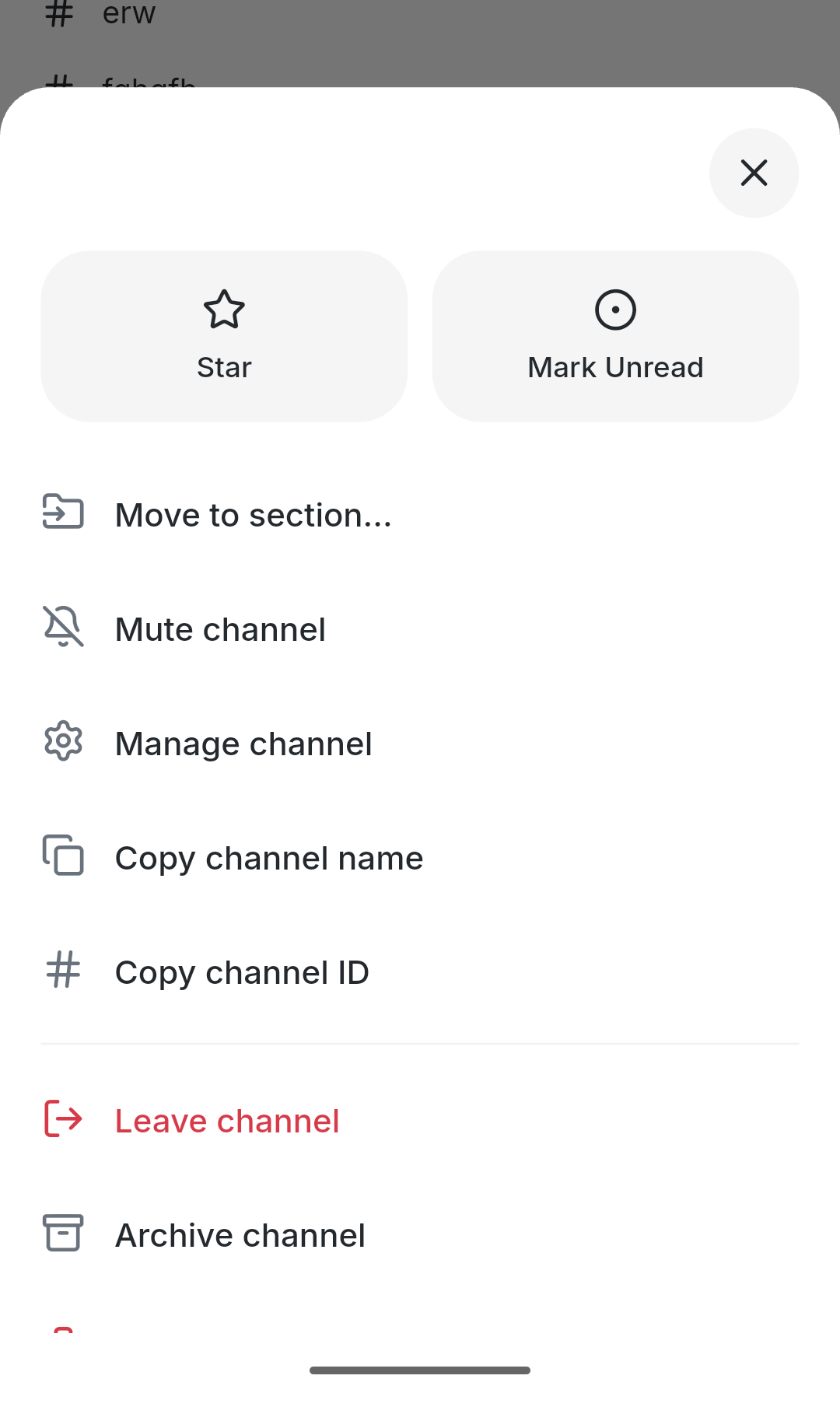 ### Profile card 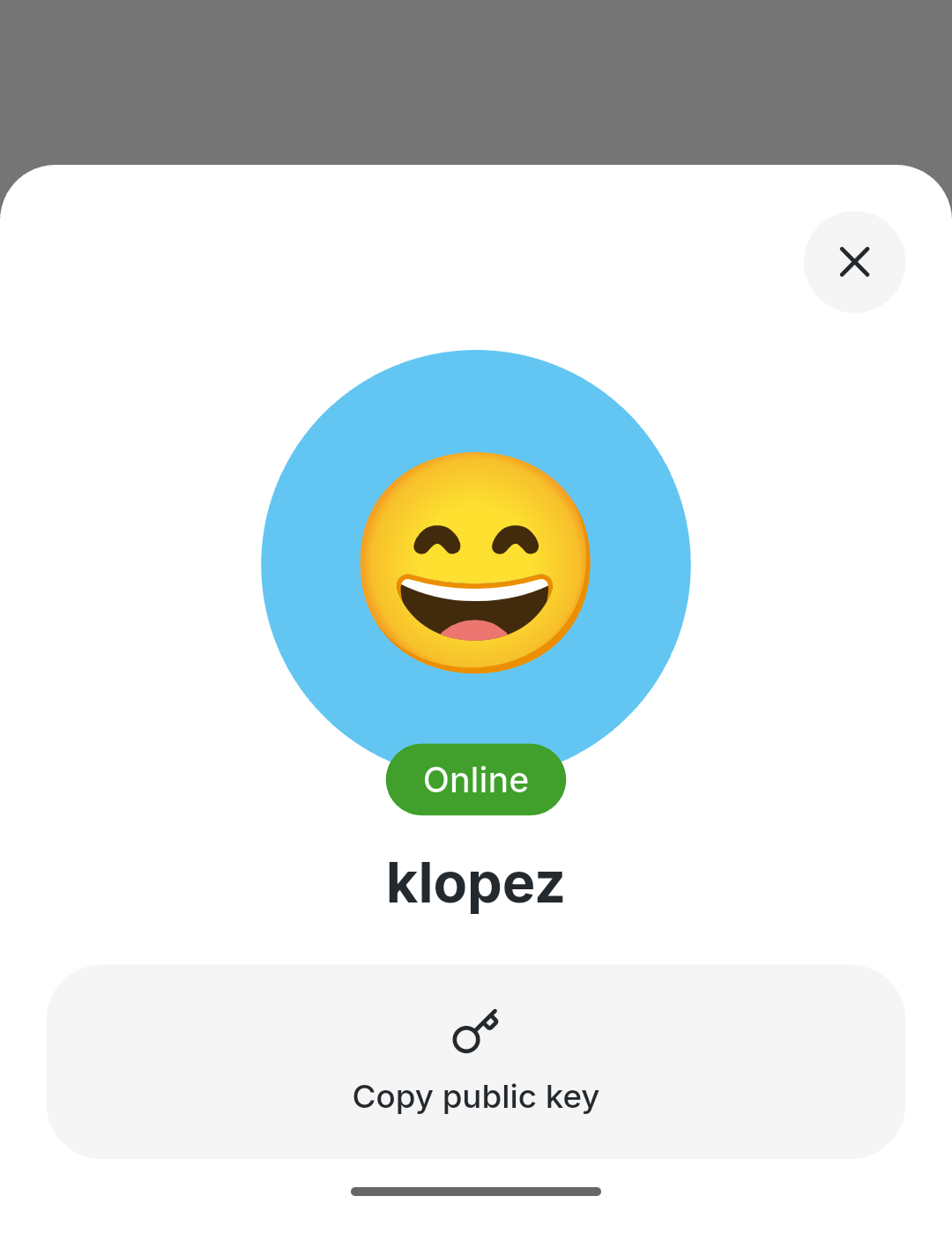 --------- Signed-off-by: kenny lopez <klopez4212@gmail.com>


287 lines
9.2 KiB
Dart
287 lines
9.2 KiB
Dart
import 'package:flutter/material.dart';
|
|
import 'package:flutter_hooks/flutter_hooks.dart';
|
|
import 'package:hooks_riverpod/hooks_riverpod.dart';
|
|
import 'package:lucide_icons_flutter/lucide_icons.dart';
|
|
|
|
import '../../shared/custom_emoji/custom_emoji.dart';
|
|
import '../../shared/custom_emoji/custom_emoji_provider.dart';
|
|
import '../../shared/custom_emoji/custom_emoji_render.dart';
|
|
import '../../shared/emoji/emoji_data.dart';
|
|
import '../../shared/emoji/emoji_data_provider.dart';
|
|
import '../../shared/emoji/emoji_search.dart';
|
|
import '../../shared/emoji/native_emoji_glyph.dart';
|
|
import '../../shared/theme/theme.dart';
|
|
import '../../shared/widgets/modal_presentation.dart';
|
|
import 'recent_emoji_provider.dart';
|
|
|
|
part 'emoji_picker/search_field.dart';
|
|
part 'emoji_picker/category_rail.dart';
|
|
part 'emoji_picker/emoji_grid.dart';
|
|
|
|
/// Height of the picker sheet as a fraction of the screen. The full emoji set
|
|
/// is ~1.9k glyphs; the old fixed 340px sheet only ever showed a hand-picked
|
|
/// subset and had no room to browse.
|
|
const _sheetHeightFactor = 0.62;
|
|
|
|
/// Opens the full emoji picker as a modal bottom sheet.
|
|
///
|
|
/// [onSelect] receives a single string, normalized the same way desktop's
|
|
/// `EmojiPicker` normalizes its selection: a standard emoji emits its glyph, a
|
|
/// custom emoji emits `:shortcode:`. Callers store or send that string and let
|
|
/// the existing renderers resolve it.
|
|
void showEmojiPicker({
|
|
required BuildContext context,
|
|
required void Function(String emoji) onSelect,
|
|
VoidCallback? onDismiss,
|
|
}) {
|
|
showBuzzModalBottomSheet<void>(
|
|
context: context,
|
|
isScrollControlled: true,
|
|
showDragHandle: true,
|
|
backgroundColor: context.colors.surfaceContainerHighest,
|
|
builder: (sheetContext) => EmojiPickerSheet(
|
|
onSelect: (emoji) {
|
|
Navigator.of(sheetContext).pop();
|
|
onSelect(emoji);
|
|
},
|
|
),
|
|
).whenComplete(onDismiss ?? () {});
|
|
}
|
|
|
|
class EmojiPickerSheet extends HookConsumerWidget {
|
|
final void Function(String emoji) onSelect;
|
|
|
|
const EmojiPickerSheet({super.key, required this.onSelect});
|
|
|
|
@override
|
|
Widget build(BuildContext context, WidgetRef ref) {
|
|
final dataset = ref.watch(emojiDatasetOrEmptyProvider);
|
|
final customEmoji = ref.watch(customEmojiListProvider);
|
|
final recent = ref.watch(recentEmojiProvider);
|
|
|
|
final searchController = useTextEditingController();
|
|
final query = useState('');
|
|
useEffect(() {
|
|
void onChanged() => query.value = searchController.text;
|
|
searchController.addListener(onChanged);
|
|
return () => searchController.removeListener(onChanged);
|
|
}, [searchController]);
|
|
|
|
final trimmedQuery = query.value.trim();
|
|
final isSearching = trimmedQuery.isNotEmpty;
|
|
|
|
void select(String emoji) => onSelect(emoji);
|
|
|
|
final sections = useMemoized(
|
|
() => _buildSections(
|
|
dataset: dataset,
|
|
customEmoji: customEmoji,
|
|
recent: recent,
|
|
onSelect: select,
|
|
),
|
|
[dataset, customEmoji, recent],
|
|
);
|
|
final offsets = useMemoized(() => _sectionOffsets(sections), [sections]);
|
|
|
|
final scrollController = useScrollController();
|
|
// A notifier rather than state: the highlight changes on every scroll frame
|
|
// and only the rail needs to hear about it. Rebuilding the sheet would
|
|
// rebuild the grid underneath it.
|
|
final activeSection = useMemoized(() => ValueNotifier(0), [sections]);
|
|
useEffect(() => activeSection.dispose, [activeSection]);
|
|
|
|
useEffect(() {
|
|
void onScroll() {
|
|
if (!scrollController.hasClients) return;
|
|
activeSection.value = _activeSectionIndex(
|
|
offsets,
|
|
scrollController.offset,
|
|
);
|
|
}
|
|
|
|
scrollController.addListener(onScroll);
|
|
return () => scrollController.removeListener(onScroll);
|
|
}, [scrollController, offsets, activeSection]);
|
|
|
|
void jumpToSection(int index) {
|
|
activeSection.value = index;
|
|
if (!scrollController.hasClients) return;
|
|
final max = scrollController.position.maxScrollExtent;
|
|
scrollController.animateTo(
|
|
offsets[index].clamp(0.0, max),
|
|
duration: const Duration(milliseconds: 240),
|
|
curve: Curves.easeOutCubic,
|
|
);
|
|
}
|
|
|
|
// Recompute only when the query or the underlying sets change — scanning
|
|
// ~1.9k entries per keystroke is sub-millisecond, but rebuilds are frequent
|
|
// while the sheet animates.
|
|
final results = useMemoized(
|
|
() => isSearching
|
|
? searchEmoji(trimmedQuery, dataset.all)
|
|
: const <EmojiEntry>[],
|
|
[trimmedQuery, dataset],
|
|
);
|
|
final customResults = useMemoized(
|
|
() => isSearching
|
|
? rankByShortcode(
|
|
trimmedQuery,
|
|
customEmoji,
|
|
(emoji) => emoji.shortcode,
|
|
)
|
|
: const <CustomEmoji>[],
|
|
[trimmedQuery, customEmoji],
|
|
);
|
|
|
|
return SizedBox(
|
|
height: MediaQuery.sizeOf(context).height * _sheetHeightFactor,
|
|
child: Column(
|
|
children: [
|
|
_EmojiSearchField(controller: searchController),
|
|
if (!isSearching && sections.isNotEmpty)
|
|
ValueListenableBuilder<int>(
|
|
valueListenable: activeSection,
|
|
builder: (context, active, _) => _CategoryRail(
|
|
sections: sections,
|
|
activeIndex: active,
|
|
onSelect: jumpToSection,
|
|
),
|
|
),
|
|
Divider(height: 1, color: context.colors.outlineVariant),
|
|
Expanded(
|
|
child: dataset.isEmpty && customEmoji.isEmpty
|
|
? const Center(child: CircularProgressIndicator())
|
|
: isSearching
|
|
? _EmojiSearchResults(
|
|
entries: results,
|
|
customEmoji: customResults,
|
|
onSelect: select,
|
|
)
|
|
: _ContinuousEmojiGrid(
|
|
sections: sections,
|
|
controller: scrollController,
|
|
),
|
|
),
|
|
],
|
|
),
|
|
);
|
|
}
|
|
}
|
|
|
|
/// Build the scroll order: frequently-used, the dataset's own categories in
|
|
/// emoji-mart order, then the community's custom emoji.
|
|
///
|
|
/// Frequently-used is omitted rather than shown empty — in a continuous list an
|
|
/// empty section is a gap with a label on it, and the rail entry would lead
|
|
/// nowhere.
|
|
List<_EmojiSection> _buildSections({
|
|
required EmojiDataset dataset,
|
|
required List<CustomEmoji> customEmoji,
|
|
required List<RecentEmojiEntry> recent,
|
|
required void Function(String emoji) onSelect,
|
|
}) {
|
|
final sections = <_EmojiSection>[];
|
|
|
|
final recentTiles = _resolveRecentTiles(
|
|
recent: recent,
|
|
dataset: dataset,
|
|
customEmoji: customEmoji,
|
|
onSelect: onSelect,
|
|
);
|
|
if (recentTiles.isNotEmpty) {
|
|
sections.add(
|
|
_EmojiSection(
|
|
id: 'frequent',
|
|
label: 'Frequently used',
|
|
icon: LucideIcons.clock,
|
|
itemCount: recentTiles.length,
|
|
itemBuilder: (context, index) => recentTiles[index],
|
|
),
|
|
);
|
|
}
|
|
|
|
for (final category in dataset.categories) {
|
|
sections.add(
|
|
_EmojiSection(
|
|
id: category.id,
|
|
label: category.label,
|
|
icon: _categoryIcon(category.id),
|
|
itemCount: category.emoji.length,
|
|
itemBuilder: (context, index) {
|
|
final entry = category.emoji[index];
|
|
return _EmojiTile(entry: entry, onTap: () => onSelect(entry.native));
|
|
},
|
|
),
|
|
);
|
|
}
|
|
|
|
if (customEmoji.isNotEmpty) {
|
|
sections.add(
|
|
_EmojiSection(
|
|
id: 'custom',
|
|
label: 'Custom',
|
|
icon: LucideIcons.sparkles,
|
|
itemCount: customEmoji.length,
|
|
itemBuilder: (context, index) {
|
|
final entry = customEmoji[index];
|
|
return _CustomEmojiTile(
|
|
emoji: entry,
|
|
onTap: () => onSelect(':${entry.shortcode}:'),
|
|
);
|
|
},
|
|
),
|
|
);
|
|
}
|
|
|
|
return sections;
|
|
}
|
|
|
|
/// Resolve the recency list back to renderable tiles.
|
|
///
|
|
/// Entries are stored as the selected string, so a standard emoji is a glyph and
|
|
/// a custom one is `:shortcode:` — resolve each against the dataset and the
|
|
/// palette, and drop anything that no longer exists (a custom emoji removed from
|
|
/// the community would otherwise render as literal text).
|
|
List<Widget> _resolveRecentTiles({
|
|
required List<RecentEmojiEntry> recent,
|
|
required EmojiDataset dataset,
|
|
required List<CustomEmoji> customEmoji,
|
|
required void Function(String emoji) onSelect,
|
|
}) {
|
|
final customByShortcode = {
|
|
for (final emoji in customEmoji) emoji.shortcode.toLowerCase(): emoji,
|
|
};
|
|
final entriesByNative = {
|
|
for (final entry in dataset.all) entry.native: entry,
|
|
};
|
|
|
|
final tiles = <Widget>[];
|
|
for (final item in recent) {
|
|
final value = item.emoji;
|
|
if (value.startsWith(':') && value.endsWith(':')) {
|
|
final custom =
|
|
customByShortcode[value.substring(1, value.length - 1).toLowerCase()];
|
|
if (custom == null) continue;
|
|
tiles.add(
|
|
_CustomEmojiTile(
|
|
emoji: custom,
|
|
onTap: () => onSelect(value),
|
|
keyPrefix: 'emoji-tile-frequent-custom',
|
|
),
|
|
);
|
|
continue;
|
|
}
|
|
final entry = entriesByNative[value];
|
|
if (entry == null) continue;
|
|
tiles.add(
|
|
_EmojiTile(
|
|
entry: entry,
|
|
onTap: () => onSelect(entry.native),
|
|
keyPrefix: 'emoji-tile-frequent',
|
|
),
|
|
);
|
|
}
|
|
return tiles;
|
|
}
|