mirror of
https://github.com/block/buzz.git
synced 2026-11-25 02:31:36 +00:00
 2e3bebe9b6
## Summary

Ticket 7 of the [Android push
plan](https://github.com/block/buzz/blob/main/PLANS/ANDROID_PUSH.md).
Android phones can now enroll with the push gateway and publish a relay
lease, through the same shared push layer iOS uses. The wake handling
side is ticket 6, [#9804 Android push wake
handling](https://github.com/block/buzz/pull/9804).

- The phone gets an FCM token, then generates a sign-only P-256 Keystore
key whose attestation challenge is the SHA-256 of the enrollment
transcript. The chain goes to the gateway at enrollment. Every later
installation call (delegate, rotate endpoint, revoke delegation, revoke
installation) is signed with that key over the transcript bytes the
gateway builds.
- A rotated FCM token rotates the endpoint. Signing out revokes the
delegation and the installation. The first enrollment waits a short
random time.
- Android 13+ asks for the notification permission at the same point iOS
does. Declining keeps the app working.
- A phone that cannot attest (no hardware attestation, unlocked
bootloader, unlisted boot key) keeps working, and Settings says push is
unavailable on this phone.
- The relay lease keeps the fixed `transport` value iOS sends.
- Firebase config is the same build-time setting [#9804 Android push
wake handling](https://github.com/block/buzz/pull/9804) adds: four
`BUZZ_FIREBASE_*` environment variables become the string resources
Firebase reads. Nothing is committed, and builds without them still work
(push reports unavailable). The Gradle hunks (permission, config block,
`firebase-messaging` dependency) are copied from that PR verbatim so the
two merge cleanly, including its `lifecycle-process` line, which this PR
does not use.
- The token and permission calls use their own `buzz/push_registration`
channel, because Android's notification-open handler from that PR
already owns `buzz/push` and a channel has one native handler.
- The gateway gets an `enroll_android` transcript vector so Dart and
Rust agree on the exact bytes.

Enrollment state is journaled before each network attempt, so a lost
response resumes with byte-identical requests instead of leaving an
orphaned installation.

### Related issue

None found. Builds on [#9560 enroll Android
installations](https://github.com/block/buzz/pull/9560) and [#9562
verify Key Attestation](https://github.com/block/buzz/pull/9562).

### Validation

Journey tests cover first enrollment, a second relay, reuse and renewal,
lost responses, token rotation, an installation the gateway dropped, a
lost Keystore key, a phone that cannot attest, and sign-out revocation,
against a fake gateway that keeps the real gateway's semantics.
Transcripts replay the shared vectors byte for byte. A settings journey
checks the Notifications row and the unavailable row on Android, and a
resume table checks the FCM token refresh: it runs while the relay
reconnects, but not when push is off or the relay doesn't offer push.

On a physical Pixel 9a (debug build, a local test gateway on a local
Postgres, reached over `adb reverse`), the real Keystore key and
hardware attestation chain enrolled and delegated, and the gateway
accepted the attestation. The same session then ran: a signed delivery
authorized against the delegation, endpoint rotation and re-delegation
at the next epoch, rotating back, delegation revocation, installation
revocation, and re-enrolling the same FCM token afterwards.

The notification prompt appears when registration starts, before the
token is fetched:

<img
src="https://github.com/user-attachments/assets/2aed92fe-20c1-4658-b990-51c3f3c96120"
width="270" alt="Android notification permission prompt">

Not validated on the device: the FCM wake itself (the local gateway has
no credentials to call FCM, so the delivery was authorized and then
failed at the FCM hop), lease publication to a relay, and the in-app
unavailable row, which only the widget tests exercise. A relay-backed
run needs a signed-in test community on the phone.

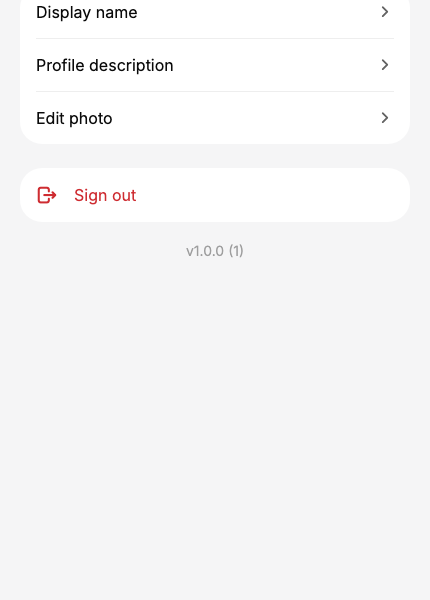
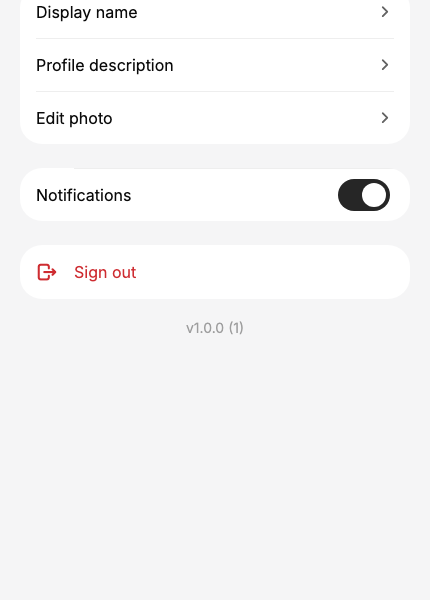
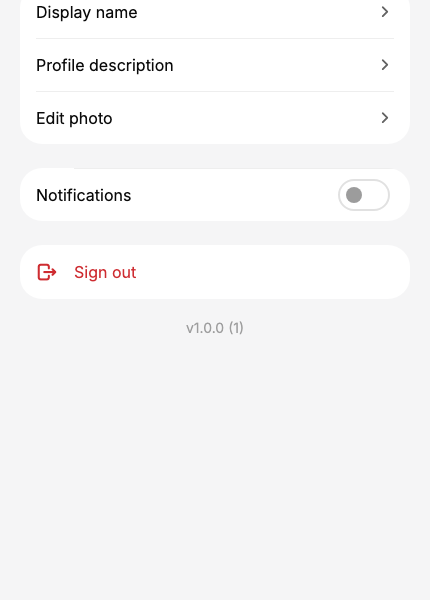
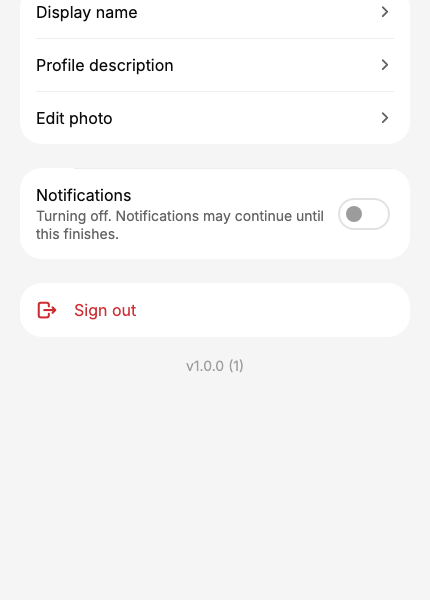
### Settings while turning off

Turning notifications off sends a relay tombstone. Until the relay
accepts it, the row now says so, on both platforms. An Android build
without a gateway also keeps a saved opt-in visible so it can still be
turned off; once off, the row goes away. These are rendered from the
Settings journey test.

| | Before | After |
|---|---|---|
| Android build without a gateway, saved opt-in | <img
src="https://raw.githubusercontent.com/block/buzz/47220acf78ad21639d2a3a8b79be3f0272e74db2/pr-9811--01-before-config-less.png"
width="270" alt="Before: no Notifications row"> | <img
src="https://raw.githubusercontent.com/block/buzz/47220acf78ad21639d2a3a8b79be3f0272e74db2/pr-9811--02-after-config-less.png"
width="270" alt="After: Notifications row with the switch on"> |
| After turning off, relay has not accepted yet | <img
src="https://raw.githubusercontent.com/block/buzz/47220acf78ad21639d2a3a8b79be3f0272e74db2/pr-9811--03-before-turning-off.png"
width="270" alt="Before: plain off switch"> | <img
src="https://raw.githubusercontent.com/block/buzz/47220acf78ad21639d2a3a8b79be3f0272e74db2/pr-9811--04-after-turning-off.png"
width="270" alt="After: Turning off. Notifications may continue until
this finishes."> |

### Regressions

- iOS enrollment is unchanged: the shared bridge only branches to the
Dart authority on Android. iOS gains the pending opt-out subtitle, and
its opt-out now also tombstones after a gateway change using the saved
lease id.
- The Android app gains the `firebase-messaging` dependency and a
`POST_NOTIFICATIONS` permission. Backups exclude the push preferences
file.


### Known limits

- An FCM token rotation while the app is running is picked up on the
next resume or launch, because the wake service owns the single
messaging service. It could call into the registration plugin once both
Android push PRs merge.
- After an endpoint rotation, only the active community's lease is
republished. Other enabled communities' grants are void until each is
opened, the same way their leases lapse at grant expiry today.

---------

Signed-off-by: Tom Brow <tomb@block.xyz>
Co-authored-by: studio <dc2fc481343672df31a689840c09299972e704dac592e0da6f18486646a7ee3e@buzz.block.builderlab.xyz>
Co-authored-by: studio <dc2fc481343672df31a689840c09299972e704dac592e0da6f18486646a7ee3e@localhost>
566 lines
19 KiB
Dart
566 lines
19 KiB
Dart
import 'dart:async';
|
|
import 'dart:convert';
|
|
|
|
import 'package:buzz/shared/push/android_push_authority.dart';
|
|
import 'package:buzz/shared/push/android_push_gateway.dart';
|
|
import 'package:buzz/shared/push/android_push_keystore.dart';
|
|
import 'package:flutter_test/flutter_test.dart';
|
|
|
|
import '../../helpers/android_push_fakes.dart';
|
|
import '../community/community_storage_test.dart' show FakeSecureStorage;
|
|
|
|
class _MemoryStore implements AndroidPushStateStore {
|
|
String? value;
|
|
|
|
@override
|
|
Future<String?> read() async => value;
|
|
|
|
@override
|
|
Future<void> write(String? next) async => value = next;
|
|
}
|
|
|
|
const _relayA = 'wss://relay-a.example';
|
|
const _relayB = 'wss://relay-b.example';
|
|
final _keyA = 'a' * 64;
|
|
final _keyB = 'b' * 64;
|
|
final _keyC = 'c' * 64;
|
|
|
|
void main() {
|
|
late int now;
|
|
late FakePushGateway gateway;
|
|
late FakeAndroidKeystore keystore;
|
|
late _MemoryStore store;
|
|
late List<Duration> sleeps;
|
|
late AndroidPushAuthority authority;
|
|
|
|
setUp(() {
|
|
now = 1_750_000_000;
|
|
gateway = FakePushGateway(nowSeconds: () => now);
|
|
keystore = FakeAndroidKeystore();
|
|
store = _MemoryStore();
|
|
sleeps = [];
|
|
authority = AndroidPushAuthority(
|
|
keystore: keystore,
|
|
gateway: fakeGatewayClient(gateway),
|
|
store: store,
|
|
now: () => DateTime.fromMillisecondsSinceEpoch(now * 1000),
|
|
sleep: (delay) async => sleeps.add(delay),
|
|
);
|
|
});
|
|
|
|
Future<AndroidPushGrant> enroll({
|
|
String relay = _relayA,
|
|
String? pubkey,
|
|
String token = 'token-1',
|
|
}) async => (await authority.enroll(
|
|
relayOrigin: relay,
|
|
relayPubkey: pubkey ?? (relay == _relayA ? _keyA : _keyB),
|
|
endpoint: token,
|
|
stillWanted: () => true,
|
|
desiredRelays: () => {_relayA, _relayB},
|
|
))!;
|
|
|
|
test('first enrollment, a second relay, reuse and renewal', () async {
|
|
final first = await enroll();
|
|
|
|
// The first enrollment waits a bounded random time, then enrolls with an
|
|
// attestation over the transcript's digest and delegates once.
|
|
expect(sleeps.single, lessThan(androidPushFirstEnrollmentJitterMax));
|
|
expect(gateway.installations.values.single.token, 'token-1');
|
|
expect(
|
|
gateway.bodiesFor('/v1/installations').single,
|
|
isNot(contains('key_id')),
|
|
);
|
|
expect(first.generation, 1);
|
|
expect(first.endpointEpoch, 1);
|
|
expect(first.relayOrigin, _relayA);
|
|
expect(first.installationId, matches(RegExp(r'^[0-9a-f]{32}$')));
|
|
expect(first.expiresAt, greaterThan(now + 86400));
|
|
expect(first.endpointHash, hasLength(64));
|
|
|
|
// The same relay again reuses the grant without calling the gateway; a
|
|
// second relay delegates from the same installation.
|
|
final calls = gateway.requests.length;
|
|
expect((await enroll()).endpointGrant, first.endpointGrant);
|
|
expect(gateway.requests.length, calls);
|
|
final second = await enroll(relay: _relayB);
|
|
expect(gateway.installations, hasLength(1));
|
|
expect(second.generation, 1);
|
|
expect(sleeps, hasLength(1));
|
|
expect((await authority.grants()).map((g) => g.relayOrigin), {
|
|
_relayA,
|
|
_relayB,
|
|
});
|
|
|
|
// In the grant's final minutes the next call delegates again at a higher
|
|
// generation.
|
|
now = first.expiresAt - 200;
|
|
final renewed = await enroll();
|
|
expect(renewed.generation, 2);
|
|
expect(renewed.endpointGrant, isNot(first.endpointGrant));
|
|
|
|
// A renewal the gateway accepted, with its response lost, extended the
|
|
// installation, so the phone keeps signing for it past the last expiry
|
|
// it saw confirmed rather than enrolling again over the same token.
|
|
now = renewed.expiresAt - 200;
|
|
gateway.loseResponseFor.add('/v1/delegations');
|
|
await expectLater(enroll(), throwsA(isA<Exception>()));
|
|
now = renewed.expiresAt + 60;
|
|
final resumed = await enroll();
|
|
expect(resumed.generation, 4);
|
|
expect(gateway.installations, hasLength(1));
|
|
expect(keystore.generated, 1);
|
|
});
|
|
|
|
test('reading grants does not wait behind a queued enrollment', () async {
|
|
final release = Completer<void>();
|
|
authority = AndroidPushAuthority(
|
|
keystore: keystore,
|
|
gateway: fakeGatewayClient(gateway),
|
|
store: store,
|
|
now: () => DateTime.fromMillisecondsSinceEpoch(now * 1000),
|
|
sleep: (_) => release.future,
|
|
);
|
|
final enrolling = enroll();
|
|
await pumpEventQueue();
|
|
|
|
expect(await authority.grants(), isEmpty);
|
|
|
|
release.complete();
|
|
await enrolling;
|
|
expect(await authority.grants(), hasLength(1));
|
|
});
|
|
|
|
test('a lost enrollment response is resumed with the same request', () async {
|
|
gateway.loseResponseFor.add('/v1/installations');
|
|
await expectLater(enroll(), throwsA(isA<Exception>()));
|
|
expect(store.value, contains('pendingEnrollment'));
|
|
|
|
final grant = await enroll();
|
|
|
|
final bodies = gateway.bodiesFor('/v1/installations');
|
|
expect(bodies, hasLength(2));
|
|
expect(jsonEncode(bodies[1]), jsonEncode(bodies[0]));
|
|
expect(keystore.generated, 1);
|
|
expect(gateway.installations, hasLength(1));
|
|
expect(grant.generation, 1);
|
|
});
|
|
|
|
test(
|
|
'an unavailable gateway keeps the journal and a refusal clears it',
|
|
() async {
|
|
gateway.failWith['/v1/installations'] = 503;
|
|
await expectLater(
|
|
enroll(),
|
|
throwsA(
|
|
isA<AndroidPushGatewayRejection>().having(
|
|
(e) => e.isTransient,
|
|
'transient',
|
|
true,
|
|
),
|
|
),
|
|
);
|
|
expect(store.value, contains('pendingEnrollment'));
|
|
expect(keystore.key, isNotNull);
|
|
gateway.failWith.remove('/v1/installations');
|
|
|
|
gateway.refuseAttestation = true;
|
|
await expectLater(
|
|
enroll(),
|
|
throwsA(isA<AndroidPushAttestationUnavailable>()),
|
|
);
|
|
expect(keystore.key, isNull);
|
|
expect(store.value, isNot(contains('pendingEnrollment')));
|
|
expect(gateway.installations, isEmpty);
|
|
|
|
gateway.refuseAttestation = false;
|
|
await enroll();
|
|
expect(gateway.installations, hasLength(1));
|
|
},
|
|
);
|
|
|
|
test(
|
|
'a phone that cannot attest never contacts the enrollment route',
|
|
() async {
|
|
keystore.attests = false;
|
|
await expectLater(
|
|
enroll(),
|
|
throwsA(isA<AndroidPushAttestationUnavailable>()),
|
|
);
|
|
expect(gateway.bodiesFor('/v1/installations'), isEmpty);
|
|
expect(await authority.grants(), isEmpty);
|
|
},
|
|
);
|
|
|
|
test('a new FCM token rotates the endpoint and re-delegates', () async {
|
|
final first = await enroll();
|
|
await enroll(relay: _relayB);
|
|
|
|
final rotated = await enroll(token: 'token-2');
|
|
|
|
final installation = gateway.installations.values.single;
|
|
expect(installation.token, 'token-2');
|
|
expect(installation.epoch, 2);
|
|
expect(rotated.endpointEpoch, 2);
|
|
expect(rotated.generation, 2);
|
|
expect(rotated.endpointHash, isNot(first.endpointHash));
|
|
// The other relay's grant was void at the old epoch, so it is replaced on
|
|
// its next enrollment rather than reused.
|
|
final other = await enroll(relay: _relayB, token: 'token-2');
|
|
expect(other.endpointEpoch, 2);
|
|
expect(other.generation, 2);
|
|
expect(gateway.bodiesFor('/v1/installations'), hasLength(1));
|
|
});
|
|
|
|
test('a lost rotation response is accounted for on the retry', () async {
|
|
await enroll();
|
|
gateway.loseResponseFor.add('/v1/installations/endpoint');
|
|
await expectLater(enroll(token: 'token-2'), throwsA(isA<Exception>()));
|
|
expect(gateway.installations.values.single.token, 'token-2');
|
|
|
|
// The retry's rotation is refused (the gateway is already at the next
|
|
// epoch), the delegation at that epoch succeeds, and nothing re-enrolls.
|
|
final grant = await enroll(token: 'token-2');
|
|
|
|
expect(grant.endpointEpoch, 2);
|
|
expect(gateway.bodiesFor('/v1/installations'), hasLength(1));
|
|
expect(gateway.installations.values.single.token, 'token-2');
|
|
});
|
|
|
|
test(
|
|
'a token that changed again before a lost rotation was settled',
|
|
() async {
|
|
await enroll();
|
|
gateway.loseResponseFor.add('/v1/installations/endpoint');
|
|
await expectLater(enroll(token: 'token-2'), throwsA(isA<Exception>()));
|
|
|
|
final grant = await enroll(token: 'token-3');
|
|
|
|
final installation = gateway.installations.values.single;
|
|
expect(installation.token, 'token-3');
|
|
expect(installation.epoch, 3);
|
|
expect(grant.endpointEpoch, 3);
|
|
},
|
|
);
|
|
|
|
test(
|
|
'an installation the gateway dropped is replaced by a new one',
|
|
() async {
|
|
final first = await enroll();
|
|
gateway.installations.values.single.revoked = true;
|
|
// The phone only finds out when it next needs the gateway.
|
|
now = first.expiresAt - 200;
|
|
|
|
final grant = await enroll();
|
|
|
|
expect(gateway.installations, hasLength(2));
|
|
expect(keystore.generated, 2);
|
|
expect(grant.generation, 1);
|
|
expect(grant.endpointGrant, isNot(first.endpointGrant));
|
|
expect(grant.installationId, first.installationId);
|
|
},
|
|
);
|
|
|
|
test('a lost Keystore key is replaced, not signed around', () async {
|
|
await enroll();
|
|
keystore.key = null;
|
|
// The gateway still holds the old installation for this token, so the
|
|
// new one is refused loudly instead of the old authority being reused.
|
|
await expectLater(
|
|
enroll(),
|
|
throwsA(
|
|
isA<AndroidPushGatewayRejection>().having(
|
|
(e) => e.status,
|
|
'status',
|
|
409,
|
|
),
|
|
),
|
|
);
|
|
});
|
|
|
|
test(
|
|
'sign-out revokes delegations, then the installation, and frees the token',
|
|
() async {
|
|
final a = await enroll();
|
|
await enroll(relay: _relayB);
|
|
|
|
// One community stays: only the other relay's delegation goes.
|
|
await authority.reconcile(
|
|
desiredRelays: () => {_relayA},
|
|
revokeInstallation: () => false,
|
|
);
|
|
final installation = gateway.installations.values.single;
|
|
expect(installation.revokedDelegations, {'$_keyB/1'});
|
|
expect(installation.revoked, isFalse);
|
|
|
|
// The community comes back, and its first delegation's response is
|
|
// lost: the retry delegates again instead of reusing the revoked grant.
|
|
gateway.loseResponseFor.add('/v1/delegations');
|
|
await expectLater(enroll(relay: _relayB), throwsA(isA<Exception>()));
|
|
final b = await enroll(relay: _relayB);
|
|
expect(b.generation, 3);
|
|
expect(installation.delegations[_keyB], 3);
|
|
|
|
// The last community goes: the installation is revoked, the key deleted.
|
|
gateway.loseResponseFor.add('/v1/installations/revoke');
|
|
await expectLater(
|
|
authority.reconcile(
|
|
desiredRelays: () => {},
|
|
revokeInstallation: () => true,
|
|
),
|
|
throwsA(isA<Exception>()),
|
|
);
|
|
await authority.reconcile(
|
|
desiredRelays: () => {},
|
|
revokeInstallation: () => true,
|
|
);
|
|
expect(installation.revoked, isTrue);
|
|
expect(keystore.key, isNull);
|
|
|
|
// Lease tombstones still read the relay's installation id afterwards, and
|
|
// a later sign-in enrolls the same token again.
|
|
expect(
|
|
(await authority.grants()).map((g) => g.installationId),
|
|
contains(a.installationId),
|
|
);
|
|
final again = await enroll();
|
|
expect(gateway.installations, hasLength(2));
|
|
expect(again.generation, 1);
|
|
},
|
|
);
|
|
|
|
test('sign-out settles a rotation whose response was lost', () async {
|
|
await enroll();
|
|
gateway.loseResponseFor.add('/v1/installations/endpoint');
|
|
await expectLater(enroll(token: 'token-2'), throwsA(isA<Exception>()));
|
|
final installation = gateway.installations.values.single;
|
|
expect(installation.epoch, 2);
|
|
|
|
// The stored epoch is stale. The installation is still revoked, and the
|
|
// token it held is free again.
|
|
await authority.reconcile(
|
|
desiredRelays: () => {},
|
|
revokeInstallation: () => true,
|
|
);
|
|
|
|
expect(installation.revoked, isTrue);
|
|
expect(keystore.key, isNull);
|
|
await enroll(token: 'token-2');
|
|
expect(gateway.installations, hasLength(2));
|
|
});
|
|
|
|
test('sign-out revokes an installation whose enrollment was lost', () async {
|
|
gateway.loseResponseFor.add('/v1/installations');
|
|
await expectLater(enroll(), throwsA(isA<Exception>()));
|
|
final installation = gateway.installations.values.single;
|
|
|
|
await authority.reconcile(
|
|
desiredRelays: () => {},
|
|
revokeInstallation: () => true,
|
|
);
|
|
|
|
expect(installation.revoked, isTrue);
|
|
expect(keystore.key, isNull);
|
|
expect(gateway.bodiesFor('/v1/installations'), hasLength(2));
|
|
await enroll();
|
|
expect(gateway.installations, hasLength(2));
|
|
});
|
|
|
|
test(
|
|
'a revocation whose delegation response was lost still finds it',
|
|
() async {
|
|
await enroll();
|
|
gateway.loseResponseFor.add('/v1/delegations');
|
|
now +=
|
|
400 * 24 * 3600; // far past the grant, so enrolling delegates again
|
|
// The installation expired too, so this re-enrolls, then loses the
|
|
// delegation response after the gateway accepted generation 1.
|
|
await expectLater(enroll(), throwsA(isA<Exception>()));
|
|
|
|
await authority.reconcile(
|
|
desiredRelays: () => {},
|
|
revokeInstallation: () => false,
|
|
);
|
|
|
|
expect(gateway.installations.values.last.revokedDelegations, {
|
|
'$_keyA/1',
|
|
});
|
|
},
|
|
);
|
|
|
|
// ---- delegations are keyed by executor key ----
|
|
|
|
test('communities on one relay share the delegation of its key', () async {
|
|
await enroll(relay: _relayA, pubkey: _keyA);
|
|
await enroll(relay: _relayB, pubkey: _keyA);
|
|
|
|
// The gateway keys a delegation by relay key, so one call serves both.
|
|
expect(gateway.bodiesFor('/v1/delegations'), hasLength(1));
|
|
expect(gateway.installations, hasLength(1));
|
|
final installation = gateway.installations.values.single;
|
|
|
|
Future<void> reconcile(Set<String> desired) => authority.reconcile(
|
|
desiredRelays: () => desired,
|
|
revokeInstallation: () => false,
|
|
);
|
|
await reconcile({_relayB});
|
|
await reconcile({_relayA});
|
|
expect(installation.revokedDelegations, isEmpty);
|
|
|
|
await reconcile({});
|
|
expect(installation.revokedDelegations, {'$_keyA/1'});
|
|
// Tombstones still read each origin's grant afterwards.
|
|
expect((await authority.grants()).map((g) => g.relayOrigin), {
|
|
_relayA,
|
|
_relayB,
|
|
});
|
|
});
|
|
|
|
test('a rotated relay key is revoked, and so is its successor', () async {
|
|
await enroll(relay: _relayA, pubkey: _keyA);
|
|
await enroll(relay: _relayB, pubkey: _keyC);
|
|
final rotated = await enroll(relay: _relayA, pubkey: _keyB);
|
|
expect(rotated.relayPubkey, _keyB);
|
|
final installation = gateway.installations.values.single;
|
|
|
|
Future<void> reconcile(Set<String> desired) => authority.reconcile(
|
|
desiredRelays: () => desired,
|
|
revokeInstallation: () => false,
|
|
);
|
|
await reconcile({_relayA, _relayB});
|
|
expect(installation.revokedDelegations, {'$_keyA/1'});
|
|
|
|
// The community on the other key stays, so only the first one's goes.
|
|
await reconcile({_relayB});
|
|
expect(installation.revokedDelegations, {'$_keyA/1', '$_keyB/1'});
|
|
});
|
|
|
|
test('a lost delegation response for a new key is revoked too', () async {
|
|
await enroll(relay: _relayA, pubkey: _keyA);
|
|
gateway.loseResponseFor.add('/v1/delegations');
|
|
await expectLater(
|
|
enroll(relay: _relayA, pubkey: _keyB),
|
|
throwsA(isA<Exception>()),
|
|
);
|
|
|
|
await authority.reconcile(
|
|
desiredRelays: () => {},
|
|
revokeInstallation: () => false,
|
|
);
|
|
|
|
// The gateway accepted the key's first generation, which was never stored
|
|
// as accepted, so it is the spent one that is tried.
|
|
expect(gateway.installations.values.single.revokedDelegations, {
|
|
'$_keyA/1',
|
|
'$_keyB/1',
|
|
});
|
|
});
|
|
|
|
test('state from the previous storage key is dropped', () async {
|
|
final secure = FakeSecureStorage();
|
|
await secure.write(key: 'buzz_android_push_authority_v1', value: '{}');
|
|
final store = SecureAndroidPushStateStore(secure: secure);
|
|
|
|
expect(await store.read(), isNull);
|
|
|
|
expect(await secure.read(key: 'buzz_android_push_authority_v1'), isNull);
|
|
await store.write('state');
|
|
expect(await store.read(), 'state');
|
|
expect(await secure.read(key: 'buzz_android_push_authority_v2'), 'state');
|
|
});
|
|
|
|
// ---- opt-in fence ----
|
|
|
|
test(
|
|
'an opt-out during the enrollment jitter leaves nothing behind',
|
|
() async {
|
|
final release = Completer<void>();
|
|
authority = AndroidPushAuthority(
|
|
keystore: keystore,
|
|
gateway: fakeGatewayClient(gateway),
|
|
store: store,
|
|
now: () => DateTime.fromMillisecondsSinceEpoch(now * 1000),
|
|
sleep: (_) => release.future,
|
|
);
|
|
var wanted = true;
|
|
final enrolling = authority.enroll(
|
|
relayOrigin: _relayA,
|
|
relayPubkey: _keyA,
|
|
endpoint: 'token-1',
|
|
stillWanted: () => wanted,
|
|
desiredRelays: () => {_relayA},
|
|
);
|
|
await pumpEventQueue();
|
|
wanted = false;
|
|
release.complete();
|
|
|
|
expect(await enrolling, isNull);
|
|
expect(gateway.requests, isEmpty);
|
|
expect(keystore.generated, 0);
|
|
expect(await authority.grants(), isEmpty);
|
|
},
|
|
);
|
|
|
|
test('an opt-out after enrollment creates no delegation', () async {
|
|
final enrolling = authority.enroll(
|
|
relayOrigin: _relayA,
|
|
relayPubkey: _keyA,
|
|
endpoint: 'token-1',
|
|
// Wanted until the installation exists.
|
|
stillWanted: () => gateway.installations.isEmpty,
|
|
desiredRelays: () => {_relayA},
|
|
);
|
|
|
|
expect(await enrolling, isNull);
|
|
expect(gateway.installations, hasLength(1));
|
|
expect(gateway.bodiesFor('/v1/delegations'), isEmpty);
|
|
expect(await authority.grants(), isEmpty);
|
|
});
|
|
|
|
// ---- gateway binding ----
|
|
|
|
test('state from another gateway is dropped, not reused', () async {
|
|
final first = await enroll();
|
|
final other = FakePushGateway(nowSeconds: () => now);
|
|
authority = AndroidPushAuthority(
|
|
keystore: keystore,
|
|
gateway: fakeGatewayClient(other, baseUrl: 'https://push-b.example'),
|
|
store: store,
|
|
now: () => DateTime.fromMillisecondsSinceEpoch(now * 1000),
|
|
sleep: (_) async {},
|
|
);
|
|
|
|
// Nothing of the first gateway's is readable, and nothing is revoked on
|
|
// either gateway: its installation just expires there.
|
|
expect(await authority.grants(), isEmpty);
|
|
final grant = await enroll();
|
|
|
|
expect(keystore.deleted, 1);
|
|
expect(keystore.generated, 2);
|
|
expect(other.installations, hasLength(1));
|
|
expect(other.bodiesFor('/v1/delegations').single['generation'], 1);
|
|
expect(grant.installationId, isNot(first.installationId));
|
|
expect(gateway.installations.values.single.revoked, isFalse);
|
|
expect(store.value, contains('https://push-b.example'));
|
|
});
|
|
|
|
// ---- a refused delegation ----
|
|
|
|
test('a delegation refused once is retried with a fresh challenge', () async {
|
|
final first = await enroll();
|
|
now = first.expiresAt - 200;
|
|
gateway.refuseOnce.add('/v1/delegations');
|
|
|
|
final renewed = await enroll();
|
|
|
|
// A challenge that expired while the app stalled is not a lost
|
|
// installation: the key stays and the same installation is used.
|
|
final bodies = gateway.bodiesFor('/v1/delegations');
|
|
expect(bodies, hasLength(3));
|
|
expect(bodies[2]['challenge_id'], isNot(bodies[1]['challenge_id']));
|
|
expect(renewed.generation, 3);
|
|
expect(keystore.deleted, 0);
|
|
expect(gateway.installations, hasLength(1));
|
|
});
|
|
}
|