mirror of
https://github.com/block/buzz.git
synced 2026-10-27 04:30:52 +00:00
 42b395cdef
Builds on the merged themes work in #8358 and inherits its appearance and chat-color settings. Polishes mobile conversations with uniform rounded bubbles, desktop-style text-only mentions and agent icon, aligned gallery counts, fading gallery avatars, and standard iOS scrolling. Huddles use rounded cards with attached reaction trays, without duplicate start/end notices; other activity rows stay centered with smaller text. Validation: mobile checks, the full mobile test suite, and the gallery regression test passed. Release build installed on iPhone. Full `just ci` could not finish: desktop compilation exhausted local disk space. ### Snapshots Flutter-rendered light and dark previews using seeded sample messages. | Light | Dark | | --- | --- | | 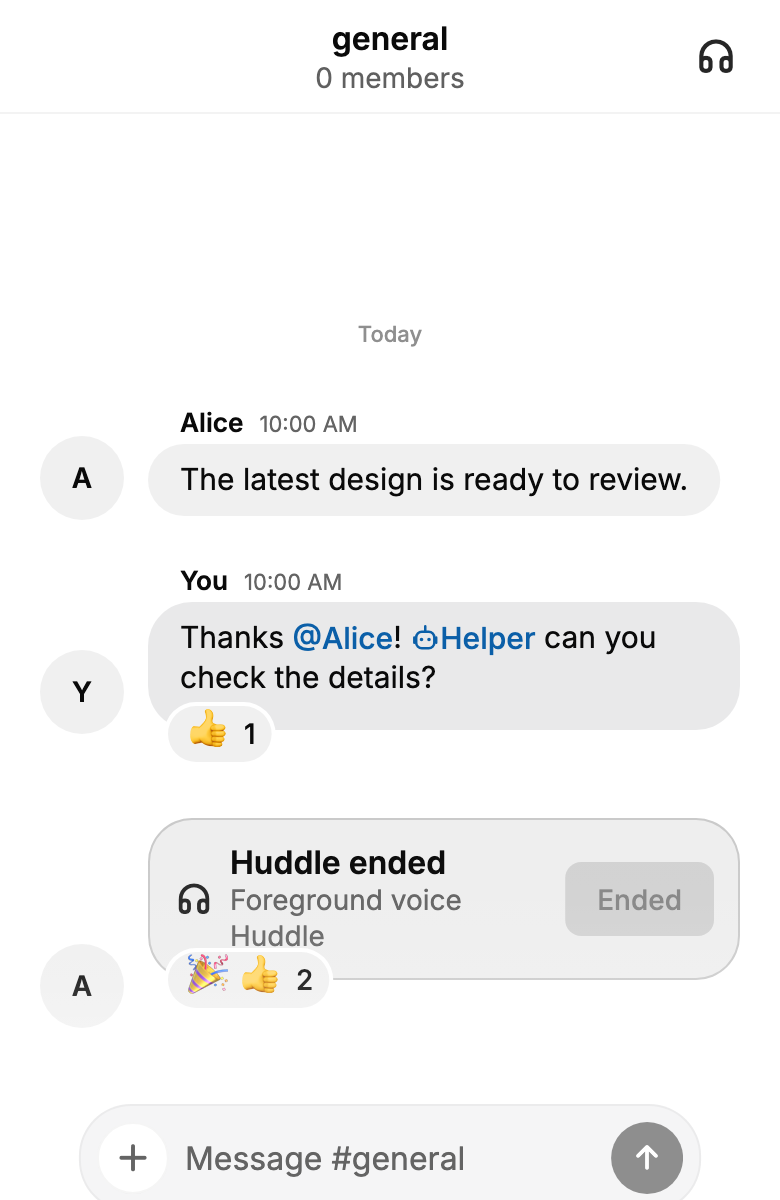 | 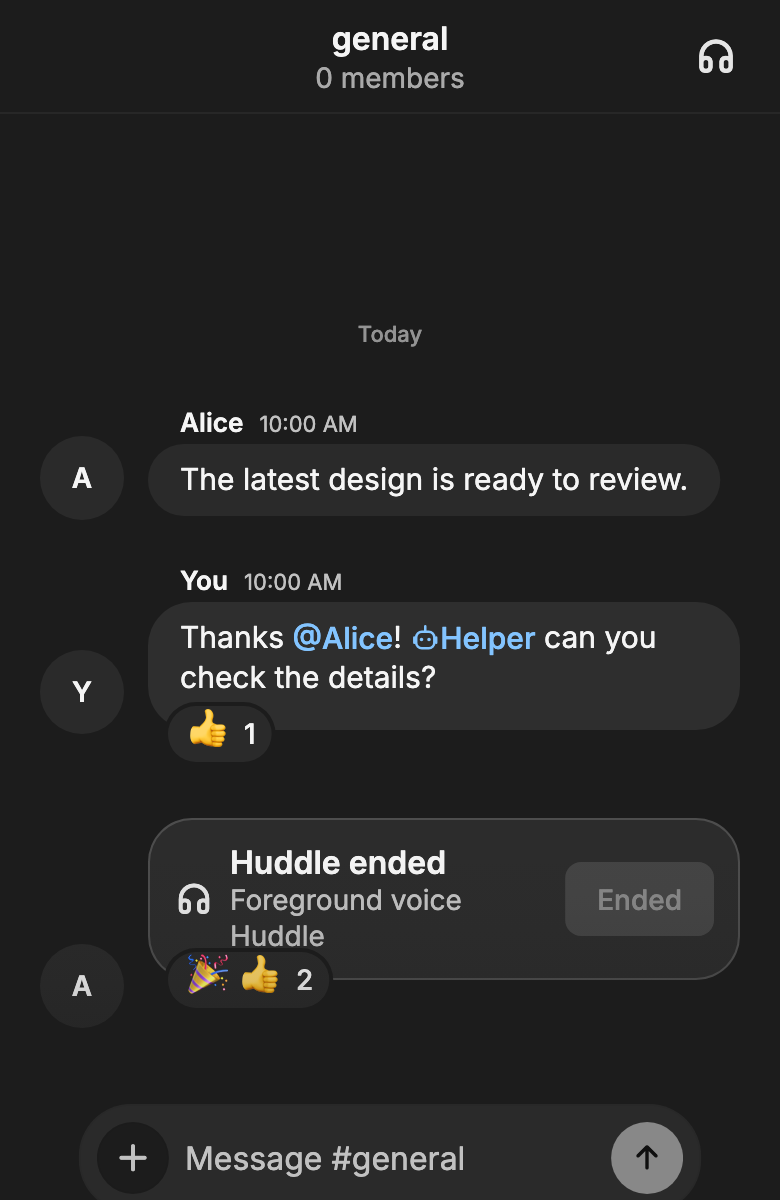 | --------- Signed-off-by: kenny lopez <klopez4212@gmail.com>


187 lines
7.0 KiB
Dart
187 lines
7.0 KiB
Dart
import 'huddle_timeline.dart';
|
|
import 'dart:async';
|
|
|
|
import 'package:flutter_hooks/flutter_hooks.dart';
|
|
import 'package:flutter/foundation.dart';
|
|
import 'package:flutter/widgets.dart';
|
|
|
|
import '../../shared/read_state/read_state_format.dart';
|
|
import '../../shared/read_state/read_state_provider.dart';
|
|
import 'timeline_message.dart';
|
|
import 'unread_badge/is_high_priority_event.dart';
|
|
|
|
/// How long a row must stay fully visible before it counts as read. This is
|
|
/// the same dwell the web and desktop app (`buzz-app`) uses.
|
|
const readingDwell = Duration(milliseconds: 300);
|
|
|
|
/// The read marks to write after a reading dwell, following `buzz-app`'s
|
|
/// rules (its `docs/unread.md`):
|
|
///
|
|
/// - When the newest message is at the bottom, a channel writes
|
|
/// `activity:<channel>` and a thread writes `thread-activity:<root>`. These
|
|
/// catch-up marks read ordinary messages and that thread's replies. They do
|
|
/// not read mentions, broadcasts or DMs.
|
|
/// - Each fully visible message gets its own `msg:` mark unless its own mark,
|
|
/// the channel mark, or (for an ordinary top-level message) `activity:`
|
|
/// already reads it. A thread mark never counts here: a reply finds its
|
|
/// thread only while the root is loaded, so `buzz-app` keeps reply marks.
|
|
/// - Automatic reading never writes the channel mark. Only an explicit
|
|
/// Mark read does that.
|
|
///
|
|
/// [loaded] is every message loaded for the channel or thread, including
|
|
/// replies. [visible] is the messages fully visible for the whole dwell.
|
|
/// [bottom] is the newest message when its bottom edge is visible at the
|
|
/// bottom of the list; otherwise null. Set [threadRootId] when reading a
|
|
/// thread, and [isRootThread] when its head is the thread root rather than a
|
|
/// nested reply. [now] is the current Unix time in seconds; it defaults to
|
|
/// the clock. The result maps each read-state context to its new time.
|
|
Map<String, int> readingMarks({
|
|
required ReadStateState readState,
|
|
required String channelId,
|
|
required bool isDm,
|
|
required String? currentPubkey,
|
|
required Iterable<TimelineMessage> loaded,
|
|
required Iterable<TimelineMessage> visible,
|
|
TimelineMessage? bottom,
|
|
String? threadRootId,
|
|
bool isRootThread = true,
|
|
int? now,
|
|
}) {
|
|
final marks = <String, int>{};
|
|
int? markerOf(String contextId) =>
|
|
maxReadAt([marks[contextId], readState.effectiveTimestamp(contextId)]);
|
|
|
|
// A nested thread view shows only one branch, so reaching its bottom does
|
|
// not read the whole thread.
|
|
if (bottom != null && (threadRootId == null || isRootThread)) {
|
|
final catchUp = _catchUpMark(
|
|
channelId: channelId,
|
|
loaded: loaded,
|
|
bottom: bottom,
|
|
threadRootId: threadRootId,
|
|
markerOf: markerOf,
|
|
now: now ?? DateTime.now().millisecondsSinceEpoch ~/ 1000,
|
|
);
|
|
if (catchUp != null) marks[catchUp.key] = catchUp.value;
|
|
}
|
|
|
|
final self = currentPubkey?.toLowerCase();
|
|
for (final message in visible) {
|
|
if (message.isSystem || message.pubkey.toLowerCase() == self) continue;
|
|
final contextId = msgContextKey(message.id);
|
|
// Automatic reading keeps a message the reader marked unread.
|
|
if (readState.isForcedUnread(contextId)) continue;
|
|
final ordinary = readByChannelCatchUp(
|
|
isDm: isDm,
|
|
isReply: message.parentId != null && !_isBroadcast(message),
|
|
highPriority: self == null || isHighPriorityEvent(message.tags, self),
|
|
);
|
|
final readAt = maxReadAt([
|
|
markerOf(contextId),
|
|
markerOf(channelId),
|
|
if (ordinary) markerOf(activityContextKey(channelId)),
|
|
]);
|
|
if (readAt != null && readAt >= message.createdAt) continue;
|
|
marks[contextId] = message.createdAt;
|
|
}
|
|
return marks;
|
|
}
|
|
|
|
/// The catch-up mark for [bottom], or null when it would read nothing new.
|
|
MapEntry<String, int>? _catchUpMark({
|
|
required String channelId,
|
|
required Iterable<TimelineMessage> loaded,
|
|
required TimelineMessage bottom,
|
|
required String? threadRootId,
|
|
required int? Function(String contextId) markerOf,
|
|
required int now,
|
|
}) {
|
|
// A loaded message newer than the bottom row means the list does not show
|
|
// the live bottom, for example after a jump into history.
|
|
final showsNewest = !loaded.any(
|
|
(message) =>
|
|
(threadRootId != null || !isCollapsedHuddleEnding(message, loaded)) &&
|
|
message.createdAt > bottom.createdAt &&
|
|
(threadRootId != null
|
|
? _threadRootOf(message) == threadRootId
|
|
: message.parentId == null || _isBroadcast(message)),
|
|
);
|
|
if (!showsNewest) return null;
|
|
|
|
// Never read beyond the last rendered message: a message between that
|
|
// row and a hidden lifecycle event may still arrive out of order.
|
|
final cut = bottom.createdAt < now ? bottom.createdAt : now;
|
|
final key = threadRootId != null
|
|
? threadActivityContextKey(threadRootId)
|
|
: activityContextKey(channelId);
|
|
final covered = maxReadAt([
|
|
markerOf(key),
|
|
markerOf(channelId),
|
|
if (threadRootId != null) markerOf(threadContextKey(threadRootId)),
|
|
]);
|
|
if (covered != null && covered >= cut) return null;
|
|
return MapEntry(key, cut);
|
|
}
|
|
|
|
String? _threadRootOf(TimelineMessage message) =>
|
|
message.parentId == null ? null : message.rootId ?? message.parentId;
|
|
|
|
bool _isBroadcast(TimelineMessage message) => message.tags.any(
|
|
(tag) => tag.length >= 2 && tag[0] == 'broadcast' && tag[1] == '1',
|
|
);
|
|
|
|
/// A stable dwell key for [messages]. Pages rebuild a new message list on
|
|
/// every frame that touches them, such as a typing indicator, so the list
|
|
/// itself would restart the dwell each time. This changes only when a
|
|
/// message arrives, leaves, or moves the newest time.
|
|
(int, int, String?) readingContentKey(Iterable<TimelineMessage> messages) {
|
|
var count = 0;
|
|
TimelineMessage? newest;
|
|
for (final message in messages) {
|
|
count++;
|
|
if (newest == null || message.createdAt > newest.createdAt) {
|
|
newest = message;
|
|
}
|
|
}
|
|
return (count, newest?.createdAt ?? 0, newest?.id);
|
|
}
|
|
|
|
/// Whether the app is in the foreground. Null means the platform has not
|
|
/// reported a state yet, which only happens before the first frame and in
|
|
/// tests.
|
|
bool isAppInUse(AppLifecycleState? state) =>
|
|
state == null || state == AppLifecycleState.resumed;
|
|
|
|
/// Runs [onDwell] once the list's item positions have stayed still for
|
|
/// [readingDwell]. Any position change restarts the wait. Changing [keys]
|
|
/// restarts it too, for changes that move no rows, such as new content or
|
|
/// the route coming back to the front. The wait is cancelled while
|
|
/// [active] is false. [onDwell] reads the current state when it runs.
|
|
void useReadingDwell({
|
|
required ValueListenable<Object?> positions,
|
|
required bool active,
|
|
required VoidCallback onDwell,
|
|
List<Object?> keys = const [],
|
|
}) {
|
|
final callback = useRef(onDwell);
|
|
callback.value = onDwell;
|
|
useEffect(() {
|
|
if (!active) return null;
|
|
Timer? timer;
|
|
void restart() {
|
|
timer?.cancel();
|
|
timer = Timer(readingDwell, () {
|
|
timer = null;
|
|
callback.value();
|
|
});
|
|
}
|
|
|
|
positions.addListener(restart);
|
|
restart();
|
|
return () {
|
|
timer?.cancel();
|
|
positions.removeListener(restart);
|
|
};
|
|
}, [positions, active, ...keys]);
|
|
}
|