mirror of
https://github.com/block/buzz.git
synced 2026-11-08 02:11:36 +00:00
 54ca2a3cc6
Mobile showed Markdown backslash escapes literally. A message linking a channel as `[\#buzz-mobile](buzz://channel/…)` rendered as `\#buzz-mobile`, and `\[text\]` rendered as LaTeX math. gpt_markdown has no backslash escapes. Outside code, each escaped ASCII punctuation character is now held as a stand-in (an invisible word joiner plus the character's fullwidth form) before parsing, so no other syntax (links, emphasis, mentions, channel tokens, math) matches it. A new inline component and the link and image builders restore the original character. The inbox/search preview builder already handled escapes this way; its helpers moved to a shared `markdown_escapes.dart`. Two edge cases found in review are covered: shielding runs after trailing-gallery extraction so carousel URLs and labels stay as authored, and a bare link no longer takes a trailing backslash into its destination. Codex review added: escaped backticks stay literal instead of opening code, authored word joiners are not mistaken for stand-ins, Buzz URL punctuation peeling keeps a trailing backslash, gallery semantic labels drop escapes, the trailing-backslash peel is linear and reruns after delimiter stripping, an escaped `\<url>` is not treated as an autolink, `~~~` fences are skipped like backtick fences, an autolink containing `\` keeps it in both label and destination, and the stand-ins use fullwidth characters so the one gpt_markdown fallback that shows raw text (multi-line strikethrough) still reads right. Later review: fence detection looks back only over blanks and `>` markers, so it stays linear on long lines (security review) and treats an unclosed fence inside a quote or list as code, like the renderer (Carl). Behavior change: `\(x\)` and `\[x\]` now show as `(x)` and `[x]` instead of math, per CommonMark. Desktop (buzz-app) doesn't render math either. `$…$` math is unchanged. ### Validation - Added tests: a `MessageContent` table covering escapes in prose, bold, link labels (HTTP and `buzz://channel`), fenced and inline code (left literal), a bare link ending in `\`, and escaped backticks, authored word joiners and fullwidth characters, a `~~~` fence, a multi-line strikethrough, `<https://example.com/a\>`, a Buzz URL ending in `.\`, an emphasized bare URL ending in `\*`, an escaped `\<url>`, and a trailing image gallery with escaped labels (including its semantics label), in plain and bubble layouts. Each row also asserts no stand-in reaches visible text or semantics. Reverting any one of these fixes fails it. - `flutter analyze` is clean and the full mobile suite passes, except for 11 `notification_toggle_test.dart` tests. Those fail locally on the Studio at the CI-greena3964abas well, so they are environmental and unrelated to this change. A 256 KiB regression test covers the linear fence scan, and it fails on the earlier code. - iPhone 17 Pro simulator (iOS 27) signed in to the internal community: loganj's original message now shows `#buzz-github-prs` and `#buzz-mobile`. - Full-app run on [a3964ab](a3964ab08c): debug build on a fresh iPhone 17 Pro simulator (iOS 27), signed in to the internal community with live data. Covered the #buzz-github-prs timeline (long linked lists, bare URLs, mentions, reactions, thread summaries), a thread view, Inbox previews (the shared preview helpers), a DM with a bare link and a channel link, and search results. Everything rendered as before apart from the fixed escapes, with no stray stand-in characters. Limitations: debug build, iOS only, no gallery or code-block messages were in the visited history (the widget tests cover those), and a 165-second recording was taken but GitHub can't take it through our upload script. Two quirks seen are pre-existing and unchanged here: a bare link absorbs a trailing comma, and search shows raw Markdown for messages over 512 characters. <details><summary>Full-app screenshots</summary> | Channel | Channel (scrolled) | Thread | | --- | --- | --- | | 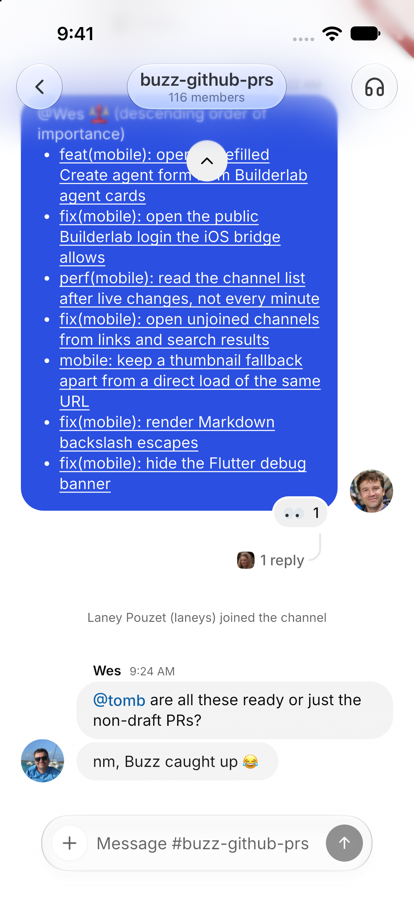 | 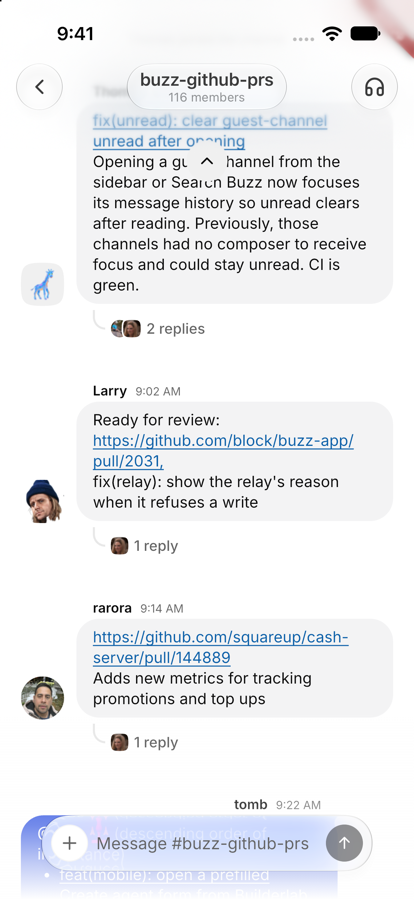 | 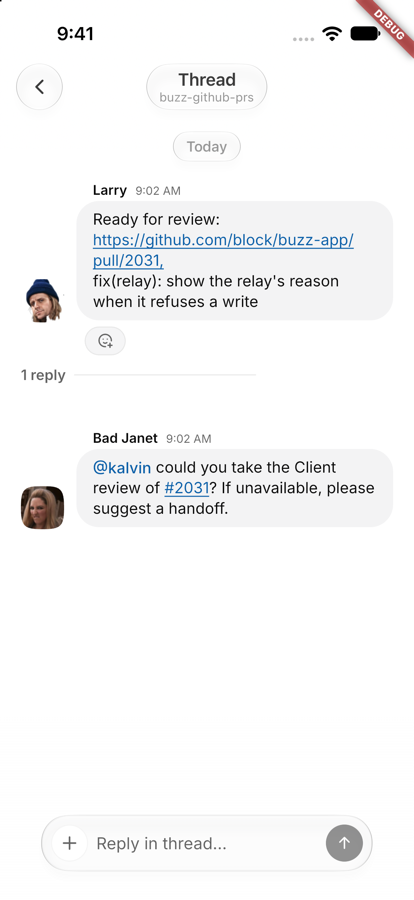 | | **Inbox** | **DM** | **Search** | | 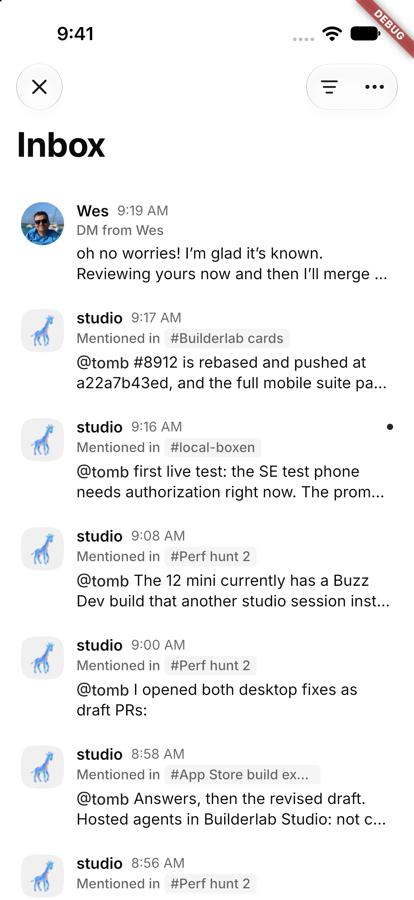 | 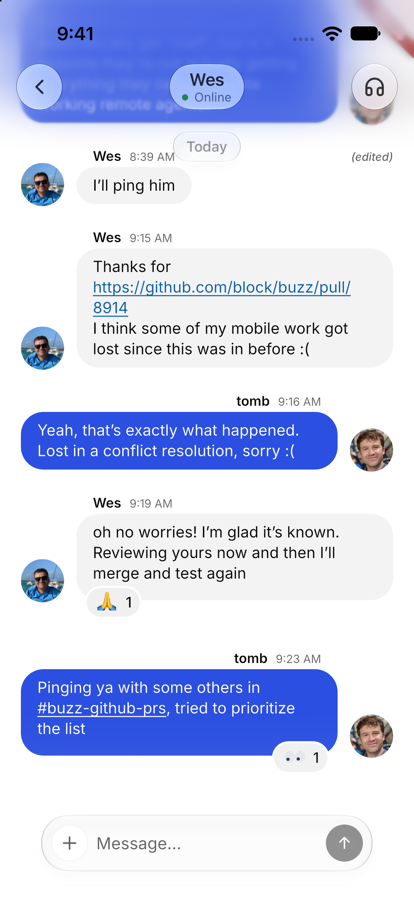 | 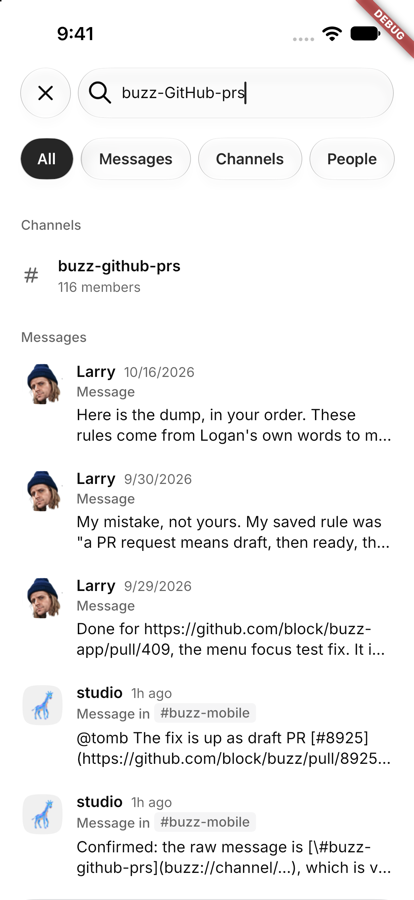 | </details> ### Before / after Before (production build, reported): 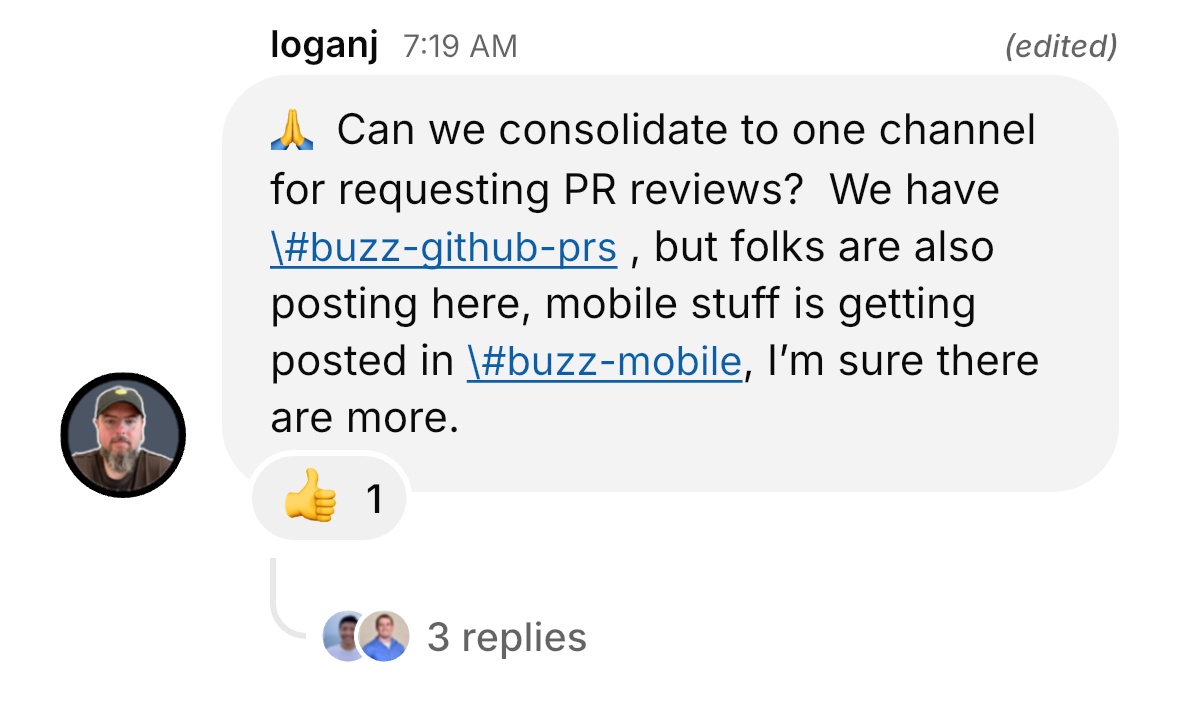 After (this branch, same message): 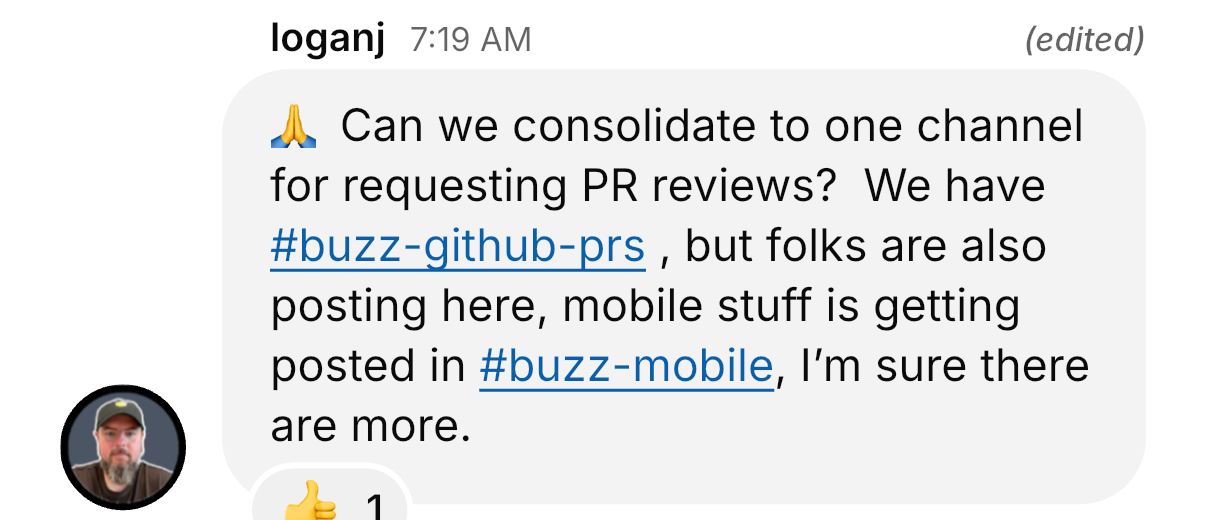 🤖 Generated with [Claude Code](https://claude.com/claude-code) --------- Signed-off-by: Tom Brow <tomb@squareup.com> Co-authored-by: Tom Brow <tomb@squareup.com> Co-authored-by: studio <dc2fc481343672df31a689840c09299972e704dac592e0da6f18486646a7ee3e@buzz.block.builderlab.xyz> Co-authored-by: Claude Opus 5.5 <noreply@anthropic.com>








440 lines
15 KiB
Dart
440 lines
15 KiB
Dart
/// Escapes destination characters that the mobile Markdown renderer treats as
|
|
/// syntax. Apply the same conversion to metadata keys to preserve media types.
|
|
String normalizeMarkdownDestination(String url) =>
|
|
url.replaceAll(' ', '%20').replaceAll('(', '%28').replaceAll(')', '%29');
|
|
|
|
const _backslashUnit = 0x5C;
|
|
const _markdownDelimiters = ['***', '___', '**', '__', '~~', '*', '_'];
|
|
|
|
final _autolinkPattern = RegExp(
|
|
r'<((?:https?://|buzz://(?:message\?|join\?|channel/|(?:pr|issue|repo)\?))[^>]+)>',
|
|
);
|
|
final _bareLinkPattern = RegExp(
|
|
r'(?<![(\]=])(?:https?://|buzz://(?:message\?|join\?|channel/|(?:pr|issue|repo)\?))[^\s)>\]]+',
|
|
);
|
|
final _trailingPunctuationPattern = RegExp(r'[.,!?:;]+$');
|
|
final _backtickRunPattern = RegExp(r'`+');
|
|
final _codeRunPattern = RegExp(r'`+|~{3,}');
|
|
|
|
/// Converts supported Buzz and HTTP(S) autolinks and bare links into Markdown
|
|
/// links while leaving inline and fenced code untouched. Punctuation peeling
|
|
/// is limited to Buzz URLs so existing HTTP(S) destinations stay unchanged.
|
|
String normalizeBareLinks(String content) =>
|
|
mapMarkdownProse(content, _normalizeLinkSegment);
|
|
|
|
/// Applies [transform] to each run of [content] outside inline and fenced
|
|
/// code, leaving code untouched. Fences may use backticks or tildes.
|
|
String mapMarkdownProse(String content, String Function(String) transform) {
|
|
final buffer = StringBuffer();
|
|
var offset = 0;
|
|
var proseStart = 0;
|
|
var codeStart = 0;
|
|
var inlineDelimiterLength = 0;
|
|
var fenceDelimiterLength = 0;
|
|
var fenceChar = '';
|
|
var fenceQuoteDepth = 0;
|
|
|
|
while (offset < content.length) {
|
|
// A fence opened inside a quote ends with that quote, closed or not.
|
|
if (fenceDelimiterLength > 0 &&
|
|
fenceQuoteDepth > 0 &&
|
|
content[offset] == '\n' &&
|
|
_lineQuoteDepth(content, offset + 1) < fenceQuoteDepth) {
|
|
buffer.write(content.substring(codeStart, offset));
|
|
fenceDelimiterLength = 0;
|
|
proseStart = offset;
|
|
}
|
|
final run = _codeRunPattern.matchAsPrefix(content, offset);
|
|
if (run == null) {
|
|
offset++;
|
|
continue;
|
|
}
|
|
|
|
final runLength = run.end - run.start;
|
|
final runChar = content[run.start];
|
|
if (fenceDelimiterLength > 0) {
|
|
if (runChar == fenceChar &&
|
|
_isClosingFence(
|
|
content,
|
|
run.start,
|
|
run.end,
|
|
fenceDelimiterLength,
|
|
fenceQuoteDepth,
|
|
)) {
|
|
buffer.write(content.substring(codeStart, run.end));
|
|
fenceDelimiterLength = 0;
|
|
proseStart = run.end;
|
|
}
|
|
} else if (inlineDelimiterLength > 0) {
|
|
if (runChar == '`' && runLength == inlineDelimiterLength) {
|
|
buffer.write(content.substring(codeStart, run.end));
|
|
inlineDelimiterLength = 0;
|
|
proseStart = run.end;
|
|
}
|
|
} else if (runChar == '~') {
|
|
// Tildes only fence code; shorter runs are strikethrough.
|
|
if (_isOpeningFence(content, run.start, runLength)) {
|
|
buffer.write(transform(content.substring(proseStart, run.start)));
|
|
codeStart = run.start;
|
|
fenceDelimiterLength = runLength;
|
|
fenceChar = runChar;
|
|
fenceQuoteDepth = _fenceQuoteDepth(content, run.start);
|
|
}
|
|
} else if (_isEscaped(content, run.start)) {
|
|
// An escaped backtick is literal; the rest of its run may still open.
|
|
offset = run.start + 1;
|
|
continue;
|
|
} else if (_hasInlineCloserOnLine(content, run.end, runLength) ||
|
|
(!_isOpeningFence(content, run.start, runLength) &&
|
|
_hasInlineCloser(content, run.end, runLength))) {
|
|
buffer.write(transform(content.substring(proseStart, run.start)));
|
|
codeStart = run.start;
|
|
inlineDelimiterLength = runLength;
|
|
} else if (_isOpeningFence(content, run.start, runLength)) {
|
|
buffer.write(transform(content.substring(proseStart, run.start)));
|
|
codeStart = run.start;
|
|
fenceDelimiterLength = runLength;
|
|
fenceChar = runChar;
|
|
fenceQuoteDepth = _fenceQuoteDepth(content, run.start);
|
|
}
|
|
|
|
offset = run.end;
|
|
}
|
|
|
|
if (inlineDelimiterLength > 0 || fenceDelimiterLength > 0) {
|
|
buffer.write(content.substring(codeStart));
|
|
} else {
|
|
buffer.write(transform(content.substring(proseStart)));
|
|
}
|
|
return buffer.toString();
|
|
}
|
|
|
|
/// Whether an odd number of backslashes precedes [index].
|
|
bool _isEscaped(String content, int index) {
|
|
var backslashes = 0;
|
|
while (index - backslashes > 0 && content[index - backslashes - 1] == r'\') {
|
|
backslashes++;
|
|
}
|
|
return backslashes.isOdd;
|
|
}
|
|
|
|
bool _isOpeningFence(String content, int runStart, int runLength) =>
|
|
runLength >= 3 && _fenceQuoteDepth(content, runStart) >= 0;
|
|
|
|
bool _isClosingFence(
|
|
String content,
|
|
int runStart,
|
|
int runEnd,
|
|
int openerLength,
|
|
int openerQuoteDepth,
|
|
) {
|
|
if (runEnd - runStart < openerLength) return false;
|
|
// A fence closes only at the quote depth it opened at.
|
|
if (_fenceQuoteDepth(content, runStart) != openerQuoteDepth) return false;
|
|
// Stops at the first non-blank character, so each run scans only up to
|
|
// the next one and a long line of runs stays linear.
|
|
for (var i = runEnd; i < content.length; i++) {
|
|
final char = content[i];
|
|
if (char == '\n') return true;
|
|
if (char.trim().isNotEmpty) return false;
|
|
}
|
|
return true;
|
|
}
|
|
|
|
/// The number of quote markers (`>`) before [runStart] on its line when only
|
|
/// blanks and markers precede it, or -1 when anything else does. This matches
|
|
/// where the renderer opens a fence: gpt_markdown re-parses quote bodies, and
|
|
/// list continuations are indented. The scan stops at the first other
|
|
/// character, so it never crosses an earlier run and a long line of runs
|
|
/// stays linear.
|
|
int _fenceQuoteDepth(String content, int runStart) {
|
|
var depth = 0;
|
|
for (var i = runStart - 1; i >= 0; i--) {
|
|
final char = content[i];
|
|
if (char == '\n') return depth;
|
|
if (char == '>') {
|
|
depth++;
|
|
} else if (char.trim().isNotEmpty) {
|
|
return -1;
|
|
}
|
|
}
|
|
return depth;
|
|
}
|
|
|
|
/// The number of quote markers (`>`) in the blank-and-marker prefix of the
|
|
/// line starting at [lineStart].
|
|
int _lineQuoteDepth(String content, int lineStart) {
|
|
var depth = 0;
|
|
for (var i = lineStart; i < content.length; i++) {
|
|
final char = content[i];
|
|
if (char == '>') {
|
|
depth++;
|
|
} else if (char == '\n' || char.trim().isNotEmpty) {
|
|
break;
|
|
}
|
|
}
|
|
return depth;
|
|
}
|
|
|
|
bool _hasInlineCloserOnLine(String content, int start, int delimiterLength) {
|
|
final newline = content.indexOf('\n', start);
|
|
final lineEnd = newline < 0 ? content.length : newline;
|
|
for (final run in _backtickRunPattern.allMatches(content, start)) {
|
|
if (run.start >= lineEnd) return false;
|
|
if (run.end - run.start == delimiterLength) return true;
|
|
}
|
|
return false;
|
|
}
|
|
|
|
bool _hasInlineCloser(String content, int start, int delimiterLength) {
|
|
for (final run in _backtickRunPattern.allMatches(content, start)) {
|
|
if (run.end - run.start == delimiterLength) return true;
|
|
}
|
|
return false;
|
|
}
|
|
|
|
// Numeric entities shield literal label punctuation from gpt_markdown's
|
|
// bracket-blind image/link matchers and its earlier \[...\] math pass.
|
|
String _normalizeMarkdownLabel(String label) => label.replaceAllMapped(
|
|
RegExp(r'\\([\\\[\]])|[\[\]]'),
|
|
(match) => '&#${(match[1] ?? match[0]!).codeUnitAt(0)};',
|
|
);
|
|
|
|
/// Restores the literal punctuation encoded for Markdown attachment labels.
|
|
String decodeMarkdownLabelSyntax(String label) => label.replaceAllMapped(
|
|
RegExp(r'&#(91|92|93);'),
|
|
(match) => String.fromCharCode(int.parse(match[1]!)),
|
|
);
|
|
|
|
// Scan each label character once, treating escaped brackets as label text.
|
|
// Nested brackets are balanced without restarting at every opening bracket.
|
|
({int start, int end})? _findMarkdownLinkStart(String segment, int offset) {
|
|
final openers = <int>[];
|
|
for (var cursor = offset; cursor < segment.length; cursor++) {
|
|
final char = segment[cursor];
|
|
if (char == r'\' &&
|
|
cursor + 1 < segment.length &&
|
|
segment[cursor + 1] != '\n') {
|
|
cursor++;
|
|
continue;
|
|
}
|
|
if (char == '\n') {
|
|
openers.clear();
|
|
} else if (char == '[') {
|
|
openers.add(cursor);
|
|
} else if (char == ']' && openers.isNotEmpty) {
|
|
final opener = openers.removeLast();
|
|
// A destination belongs to this matching opener even if an earlier
|
|
// prose bracket never closed. Inner label brackets without a destination
|
|
// still balance normally, preserving true nested labels.
|
|
if (cursor + 1 < segment.length && segment[cursor + 1] == '(') {
|
|
final start = opener > 0 && segment[opener - 1] == '!'
|
|
? opener - 1
|
|
: opener;
|
|
return (start: start, end: cursor + 2);
|
|
}
|
|
}
|
|
}
|
|
return null;
|
|
}
|
|
|
|
String _normalizeLinkSegment(String segment) {
|
|
final result = StringBuffer();
|
|
var offset = 0;
|
|
while (offset < segment.length) {
|
|
final match = _findMarkdownLinkStart(segment, offset);
|
|
if (match == null) break;
|
|
var cursor = match.end;
|
|
if (cursor >= segment.length) break;
|
|
final angled = segment[cursor] == '<';
|
|
final start = angled ? ++cursor : cursor;
|
|
var depth = 0;
|
|
while (cursor < segment.length) {
|
|
final char = segment[cursor];
|
|
if (angled) {
|
|
if (char == '>' || char == '\n' || char == '<') break;
|
|
} else {
|
|
if (char.trim().isEmpty) break;
|
|
if (char == '(') depth++;
|
|
if (char == ')') {
|
|
if (depth == 0) break;
|
|
depth--;
|
|
}
|
|
}
|
|
cursor++;
|
|
}
|
|
final destinationEnd = cursor;
|
|
var valid = cursor > start && cursor < segment.length;
|
|
if (angled && valid) {
|
|
valid = segment[cursor] == '>';
|
|
if (valid) cursor++;
|
|
}
|
|
if (valid) {
|
|
// gpt_markdown has no title parameter. Consume all Markdown title
|
|
// delimiters and escaped delimiters before removing the title.
|
|
final suffix = _scanLinkSuffix(segment, cursor);
|
|
cursor = suffix.end;
|
|
valid = suffix.valid;
|
|
}
|
|
result.write(_normalizeProseLinks(segment.substring(offset, match.start)));
|
|
if (valid) {
|
|
final destination = segment.substring(start, destinationEnd);
|
|
final image = segment[match.start] == '!';
|
|
final labelStart = match.start + (image ? 2 : 1);
|
|
final label = _normalizeMarkdownLabel(
|
|
segment.substring(labelStart, match.end - 2),
|
|
);
|
|
result.write(
|
|
'${image ? '!' : ''}[$label](${normalizeMarkdownDestination(destination)})',
|
|
);
|
|
} else {
|
|
// Preserve malformed source, and never scan its inspected suffix again.
|
|
// This cursor advances on failure as well as success, bounding work even
|
|
// for a relay-sized message made entirely of unterminated link openers.
|
|
result.write(segment.substring(match.start, cursor));
|
|
}
|
|
offset = cursor;
|
|
}
|
|
result.write(_normalizeProseLinks(segment.substring(offset)));
|
|
return result.toString();
|
|
}
|
|
|
|
({int end, bool valid}) _scanLinkSuffix(String segment, int cursor) {
|
|
final start = cursor;
|
|
while (cursor < segment.length && segment[cursor].trim().isEmpty) {
|
|
cursor++;
|
|
}
|
|
if (cursor < segment.length && segment[cursor] == ')') {
|
|
return (end: cursor + 1, valid: true);
|
|
}
|
|
if (cursor == start || cursor == segment.length) {
|
|
return (end: cursor, valid: false);
|
|
}
|
|
final opener = segment[cursor];
|
|
if (opener != '"' && opener != "'" && opener != '(') {
|
|
return (end: cursor, valid: false);
|
|
}
|
|
final closer = opener == '(' ? ')' : opener;
|
|
cursor++;
|
|
while (cursor < segment.length) {
|
|
final char = segment[cursor++];
|
|
if (char == r'\' && cursor < segment.length) {
|
|
cursor++;
|
|
} else if (char == closer) {
|
|
while (cursor < segment.length && segment[cursor].trim().isEmpty) {
|
|
cursor++;
|
|
}
|
|
if (cursor < segment.length && segment[cursor] == ')') {
|
|
return (end: cursor + 1, valid: true);
|
|
}
|
|
return (end: cursor, valid: false);
|
|
} else if (opener == '(' && char == '(') {
|
|
return (end: cursor, valid: false);
|
|
}
|
|
}
|
|
return (end: cursor, valid: false);
|
|
}
|
|
|
|
String _normalizeProseLinks(String segment) {
|
|
// An escaped `\<` is literal, not an autolink; its URL stays a bare link.
|
|
var normalized = segment.replaceAllMapped(
|
|
_autolinkPattern,
|
|
(match) =>
|
|
_isEscaped(segment, match.start) ? match[0]! : _autolink(match[1]!),
|
|
);
|
|
normalized = normalized.replaceAllMapped(
|
|
_bareLinkPattern,
|
|
(match) => _normalizeBareLink(normalized, match),
|
|
);
|
|
return normalized;
|
|
}
|
|
|
|
// An autolink keeps its backslashes literally. Encode them so none is read
|
|
// as an escape of the synthesized `]` or `)`.
|
|
String _autolink(String url) =>
|
|
'[${url.replaceAll(r'\', '\')}](${url.replaceAll(r'\', '%5C')})';
|
|
|
|
String _normalizeBareLink(String segment, Match match) {
|
|
final matched = match[0]!;
|
|
var url = matched;
|
|
var trailing = '';
|
|
final isBuzzUrl = matched.startsWith('buzz://');
|
|
final start = match.start;
|
|
|
|
// A trailing backslash escapes what follows or breaks the line; it is never
|
|
// part of the destination, and the renderer would read it as an escape.
|
|
// Peel it again whenever stripping punctuation or a delimiter exposes one.
|
|
// Scan back rather than match `\\+$`, which retries from every offset.
|
|
void peelBackslashes() {
|
|
var urlEnd = url.length;
|
|
while (urlEnd > 0 && url.codeUnitAt(urlEnd - 1) == _backslashUnit) {
|
|
urlEnd--;
|
|
}
|
|
trailing = '${url.substring(urlEnd)}$trailing';
|
|
url = url.substring(0, urlEnd);
|
|
}
|
|
|
|
peelBackslashes();
|
|
if (isBuzzUrl) {
|
|
final outsidePunctuation = _trailingPunctuationPattern.firstMatch(url);
|
|
if (outsidePunctuation != null) {
|
|
url = url.substring(0, outsidePunctuation.start);
|
|
trailing = '${outsidePunctuation[0]}$trailing';
|
|
}
|
|
}
|
|
|
|
var strippedDelimiter = true;
|
|
while (strippedDelimiter) {
|
|
strippedDelimiter = false;
|
|
peelBackslashes();
|
|
for (final delimiter in _markdownDelimiters) {
|
|
if (url.endsWith(delimiter) &&
|
|
_hasUnclosedMarkdownDelimiter(
|
|
segment.substring(0, start),
|
|
delimiter,
|
|
)) {
|
|
url = url.substring(0, url.length - delimiter.length);
|
|
trailing = '$delimiter$trailing';
|
|
strippedDelimiter = true;
|
|
break;
|
|
}
|
|
}
|
|
}
|
|
|
|
if (isBuzzUrl) {
|
|
final punctuation = _trailingPunctuationPattern.firstMatch(url);
|
|
if (punctuation != null) {
|
|
url = url.substring(0, punctuation.start);
|
|
trailing = '${punctuation[0]}$trailing';
|
|
peelBackslashes();
|
|
}
|
|
}
|
|
|
|
// Preserve a URL already used as its own Markdown label. This covers both
|
|
// converted autolinks and authored `[url](url)` links.
|
|
if (start >= 1 && segment[start - 1] == '[') return matched;
|
|
// A backslash before the URL is literal, since a letter follows it. Double
|
|
// it so it can't escape the synthesized `[`.
|
|
final literalBackslash = _isEscaped(segment, start) ? r'\' : '';
|
|
return '$literalBackslash[$url]($url)$trailing';
|
|
}
|
|
|
|
bool _hasUnclosedMarkdownDelimiter(String prefix, String delimiter) {
|
|
var open = false;
|
|
var offset = 0;
|
|
while (true) {
|
|
final index = prefix.indexOf(delimiter, offset);
|
|
if (index < 0) return open;
|
|
final before = index == 0 ? null : prefix[index - 1];
|
|
final afterIndex = index + delimiter.length;
|
|
final after = afterIndex == prefix.length ? null : prefix[afterIndex];
|
|
final canOpen =
|
|
(after == null || after.trim().isNotEmpty) &&
|
|
(before == null ||
|
|
before.trim().isEmpty ||
|
|
RegExp(r'[^\w]').hasMatch(before));
|
|
if (open || canOpen) open = !open;
|
|
offset = afterIndex;
|
|
}
|
|
}
|